
Strategic Mass Transfer Engineering: Best Tower Packing Material Selection Guide (SS vs. Hastelloy vs. Plastic) In the high-stakes design of vertical mass transfer columns, achieved operational efficiency is directly tied to a dual-metric framework: structural column hydraulics and metallurgical longevity. Inside multi-stage fractional distillation trains, chemical scrubbers, gas absorbers, and stripping units, selecting the right tower packing geometry is only half the engineering equation. The true foundational choice that governs long-term plant uptime, validation compliance, and overall capital layout (CAPEX) is the Material of Construction (MOC). Choosing an unverified or mismatched material profile introduces immediate operational vulnerabilities. Under intense chemical stresses or localized thermal shifts, suboptimal materials suffer from rapid thinning, macro-scale pitting, or structural warping. These material failures trigger premature column flooding, alter the bed's void fraction, and force unscheduled, expensive maintenance turnarounds. As an ISO-compliant, factory-direct global manufacturer and exporter based in India, Aera Engineering Pvt. Ltd. implements rigorous quality management to stamp and mold high-performance mass transfer media. Operating out of our advanced manufacturing hub in Por, Vadodara, we help process plants navigate this critical decision. This engineering evaluation compares Stainless Steel, Hastelloy, and Plastic random tower packings to optimize your next project turnaround. 1. Stainless Steel (SS 304 & SS 316L): The Industrial Standard for Baseline and Moderate Severity For a vast majority of mainstream chemical synthesis, hydrocarbon fractionations, and utility processing lines, Stainless Steel represents the global benchmark, striking the ultimate balance between excellent mechanical lifecycles and cost-efficient procurement pricing. Aera Engineering processes premium-grade austenitic stainless steels into third-generation random packings—such as Aera P-Rings (Pall Rings) and Aera Re-engineered Saddles (Metal IMTP): Stainless Steel 304 (SS 304) The ideal, highly economical choice for baseline organic solvents, light hydrocarbon processing, neutral-pH chemical formulations, and non-aggressive utility water lines running under stable atmospheric velocity profiles. Upon contact with oxygen, it rapidly generates a microscopic, self-healing chromium oxide passive film that isolates the base steel matrix from atmospheric degradation. Stainless Steel 316 / 316L (SS 316L) Formulated with 2–3% Molybdenum and lower carbon content, SS 316L is an engineering mandate for moderate-severity columns. It is highly recommended for facilities stationed near coastal maritime environments where portside ambient air is rich in marine chlorides. The addition of Molybdenum actively stabilizes the alloy's passivating film, stopping micro-scale pitting and stress corrosion cracking caused by halides or organic acids. Key Engineering Advantages of Stainless Steel: High-Temperature Structural Integrity: SS grades comfortably maintain their exact geometric dimensions and high mechanical crush strength across continuous thermal boundaries up to 300°C. Deep-Bed Load Bearing: In deep-packed configurations, the lower packing layers must support thousands of kilograms of static downward weight. Stainless steel handles these deep physical weights flawlessly without flattening, preserving your column's calculated free volume matrix. 2. Hastelloy (C-276 / C-22): The High-Nickel Shield for Extreme Corrosive Severity When process streams involve aggressive halides, volatile reducing media, or hot concentrated mineral acids at elevated temperatures, stainless steels face severe physical boundaries, often failing within weeks. For these high-severity applications, process engineers must pivot toward advanced metallurgy: Hastelloy superalloys. Stamping a dense, nickel-base superalloy like Hastelloy requires specialized heavy-duty presses and high-tensile progressive dies. At Aera Engineering, we control 100% of our tooling infrastructure internally to press perfectly uniform Hastelloy elements, preserving an optimized, perfectly randomized void matrix (92% to 95% free volume) to fully eliminate the risk of element nesting. Key Engineering Advantages of Hastelloy: Robust Resistance to Pitting and Crevice Corrosion: Featuring a premium chemical composition rich in Nickel, Molybdenum, Chromium, and Tungsten, Hastelloy C-276 provides exceptional protection against localized halide attacks in severe reducing or oxidizing media. Aggressive Chemical Survivability: Hastelloy excels where standard metals fail, resisting wet chlorine gas, hypochlorites, chlorine dioxide, ferric chlorides, hot hydrochloric acid (HCl), and concentrated sulfuric acid (H_2SO_4). Thermal Cycling Immunity: It safely retains its structural shape and extreme crush strength under intense continuous thermal processing up to 400°C, completely eliminating the risk of material softening or scaling. 3. Plastic & Engineered Polymers (PP, PVDF, PTFE): Cost-Efficient, Lightweight Corrosion Defense For lower-temperature operations processing aggressive chemistries, specifying metal packings can sometimes introduce unnecessary capital expenditure (CAPEX). Engineered polymers and plastics provide a highly targeted, cost-effective alternative. Aera Engineering molds a comprehensive range of polymer-based random packings, including Plastic Tellerette Rings (T-Rings) and Polypropylene Pall Rings, utilizing premium-grade raw resins: Polypropylene (PP) The industry standard for baseline plastic applications. It offers excellent resistance to most mineral acids, alkalis, and aqueous salt solutions at a highly economical wholesale price point. PVDF and PTFE (Teflon) Advanced, high-purity fluoropolymers designed for severe chemical loops. They provide near-universal chemical resistance, making them highly effective against concentrated acids and halogenated compounds where standard plastics break down. Key Engineering Advantages of Plastic Packing: Inherent Chemical Immunity: Polymers do not rely on a passive oxide layer; they are fundamentally inert to aqueous corrosion, rust, and chemical thinning. Lightweight Architecture: Plastic tower packing features a dramatically lower bulk density compared to metallic alternatives. This low physical weight significantly reduces the mechanical load exerted on column support plates and foundations, lowering structural engineering costs. Fouling Resilience: The smooth, low-surface-energy walls of molded polymers minimize cross-sectional product adhesion, making the bed highly resilient against particulate encrustation, scale buildup, or biological fouling in low-temperature utility beds. Comparative Engineering Matrix: MOC Sourcing Selection The following analytical matrix summarizes the physical and operational trade-offs across the three primary material groups: Performance Parameter Stainless Steel (SS 304/316L) Hastelloy (C-276 / C-22) Plastic & Polymers (PP/PVDF) Primary Structural Composition Iron-Chromium-Nickel Alloy Nickel-Molybdenum-Chromium Engineered Resin Polymers Corrosion Resistance Profile Excellent for organic solvents, light hydrocarbons, and mild acids. Outstanding in wet chlorine, hot mineral acids, and high-chloride tracks. Fully immune to aqueous corrosion and strong alkalis; limited by solvents. Max Temperature Ceiling Up to 300°C safely Up to 400°C smoothly Limited (sim 90^circ{C} for PP; sim 150^circ{C} for PVDF) Mechanical Crush Strength High structural resistance; supports deep packed beds. Extreme structural resilience; completely handles deep weights. Moderate; requires shorter bed heights or split-bed designs to prevent compression. Weight per Unit Volume Moderate to Heavy Heavy Bulk Density Ultralight Bulk Density Upfront CAPEX Rating Moderate / Industry Benchmark Premium / High-Value Investment Economical / Capital Efficient 4. Operational Application Mapping To streamline your procurement cycle, Aera Engineering’s process specialists map these material selections to specific unit operations: Specify Stainless Steel (SS) for: Industrial solvent reclamation blocks (acetone, ethanol, methanol fractionations), atmospheric petroleum distillation columns, organic intermediate lines, and standard boiler feedwater deaerators. Specify Hastelloy for: Hot acid gas absorption scrubbers (HCl, Cl_2 scrubbing tracks), refinery sour water strippers (SWS) facing aggressive gas flashing, flue gas desulfurization (FGD) systems handling hot limestone slurries, and severe pharmaceutical/API synthesis distillation towers. Specify Plastic & Polymers for: Environmental wet scrubbers handling corrosive tail gases, forced-draft VOC air strippers, groundwater degasification units, and localized odor control systems. Rigorous Quality Validation and Factory-Direct Value Serving critical global process industries demands complete material traceability. At Aera Engineering, we eliminate tracking and validation risks by pairing every domestic or export shipment with an audit-ready compliance data pack. This includes raw material heat numbers, original Mill Test Certificates (MTC), and non-destructive Positive Material Identification (PMI) logs executed via handheld XRF steel analyzers to verify exact metallurgical compliance. Sourcing directly from our advanced facility in Por, Vadodara, optimizes your overall project expenditure by completely eliminating the middle-tier trading company markups and agent fees common within broker networks. Your engineering team gains direct access to precise sizing logs, hydraulic data charts, and scalable production capacities designed to deliver flawless execution for your next shutdown. Partner with Aera Engineering Pvt. Ltd. Achieving razor-thin process tolerances, expanding volumetric throughput, and lowering capital layouts (CAPEX) demands a column internals partner fully committed to absolute material verification, precision internal tooling control, and factory-direct wholesale value. Partner with Aera Engineering Pvt. Ltd. to optimize your next plant turnaround, debottleneck an underperforming mass transfer column, or design a high-capacity separation tower from the ground up. Optimize Your Sourcing Framework Today Let our engineering specialists assist you in minimizing column pressure drops, securing material compliance, and organizing a zero-delay delivery for your next turnaround. Contact our technical sales division today for detailed sizing logs, production lead times, or a direct commercial proposal tailored to your specific project parameters. Corporate Website: www.aeraepl.com / www.randomtowerpacking.com Official Inquiries: tanish@aeraepl.com / info@randomtowerpacking.com Direct Hotline: +91 97377 73751 Manufacturing Hub: Shed No - 75, Aatmiya Brookfieldz Industrial Park, Por, Vadodara, Gujarat, India - 391243


This is your website preview.
Currently it only shows your basic business info. Start adding relevant business details such as description, images and products or services to gain your customers attention by using Boost 360 android app / iOS App / web portal.
Best Tower Packing Material Selection in India (SS vs Hastelloy vs Plastic)
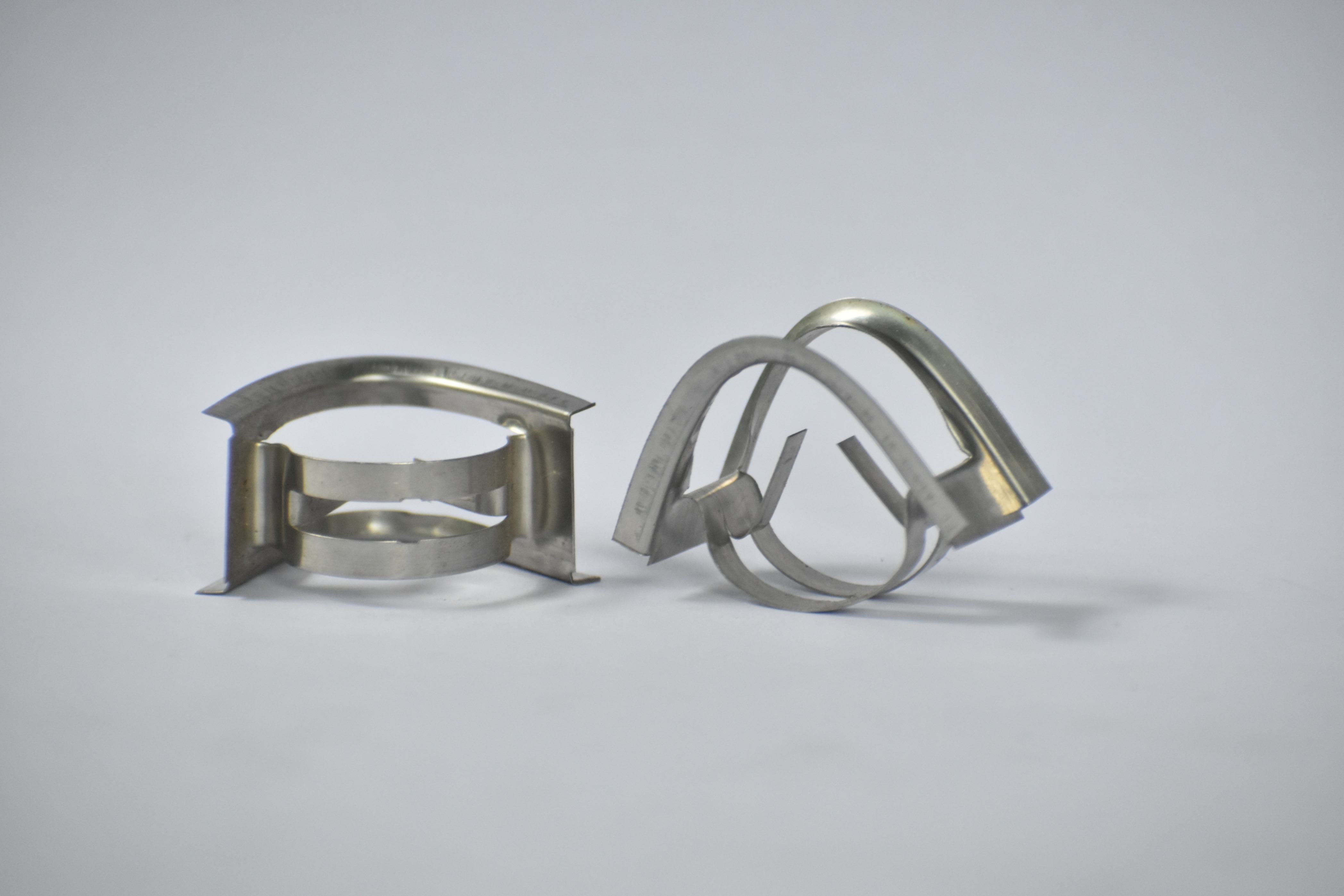
2026-06-12T07:00:11
Strategic Mass Transfer Engineering: Best Tower Packing Material Selection Guide (SS vs. Hastelloy vs. Plastic) In the high-stakes design of vertical mass transfer columns, achieved operational efficiency is directly tied to a dual-metric framework: structural column hydraulics and metallurgical longevity. Inside multi-stage fractional distillation trains, chemical scrubbers, gas absorbers, and stripping units, selecting the right tower packing geometry is only half the engineering equation. The true foundational choice that governs long-term plant uptime, validation compliance, and overall capital layout (CAPEX) is the Material of Construction (MOC). Choosing an unverified or mismatched material profile introduces immediate operational vulnerabilities. Under intense chemical stresses or localized thermal shifts, suboptimal materials suffer from rapid thinning, macro-scale pitting, or structural warping. These material failures trigger premature column flooding, alter the bed's void fraction, and force unscheduled, expensive maintenance turnarounds. As an ISO-compliant, factory-direct global manufacturer and exporter based in India, Aera Engineering Pvt. Ltd. implements rigorous quality management to stamp and mold high-performance mass transfer media. Operating out of our advanced manufacturing hub in Por, Vadodara, we help process plants navigate this critical decision. This engineering evaluation compares Stainless Steel, Hastelloy, and Plastic random tower packings to optimize your next project turnaround. 1. Stainless Steel (SS 304 & SS 316L): The Industrial Standard for Baseline and Moderate Severity For a vast majority of mainstream chemical synthesis, hydrocarbon fractionations, and utility processing lines, Stainless Steel represents the global benchmark, striking the ultimate balance between excellent mechanical lifecycles and cost-efficient procurement pricing. Aera Engineering processes premium-grade austenitic stainless steels into third-generation random packings—such as Aera P-Rings (Pall Rings) and Aera Re-engineered Saddles (Metal IMTP): Stainless Steel 304 (SS 304) The ideal, highly economical choice for baseline organic solvents, light hydrocarbon processing, neutral-pH chemical formulations, and non-aggressive utility water lines running under stable atmospheric velocity profiles. Upon contact with oxygen, it rapidly generates a microscopic, self-healing chromium oxide passive film that isolates the base steel matrix from atmospheric degradation. Stainless Steel 316 / 316L (SS 316L) Formulated with 2–3% Molybdenum and lower carbon content, SS 316L is an engineering mandate for moderate-severity columns. It is highly recommended for facilities stationed near coastal maritime environments where portside ambient air is rich in marine chlorides. The addition of Molybdenum actively stabilizes the alloy's passivating film, stopping micro-scale pitting and stress corrosion cracking caused by halides or organic acids. Key Engineering Advantages of Stainless Steel: High-Temperature Structural Integrity: SS grades comfortably maintain their exact geometric dimensions and high mechanical crush strength across continuous thermal boundaries up to 300°C. Deep-Bed Load Bearing: In deep-packed configurations, the lower packing layers must support thousands of kilograms of static downward weight. Stainless steel handles these deep physical weights flawlessly without flattening, preserving your column's calculated free volume matrix. 2. Hastelloy (C-276 / C-22): The High-Nickel Shield for Extreme Corrosive Severity When process streams involve aggressive halides, volatile reducing media, or hot concentrated mineral acids at elevated temperatures, stainless steels face severe physical boundaries, often failing within weeks. For these high-severity applications, process engineers must pivot toward advanced metallurgy: Hastelloy superalloys. Stamping a dense, nickel-base superalloy like Hastelloy requires specialized heavy-duty presses and high-tensile progressive dies. At Aera Engineering, we control 100% of our tooling infrastructure internally to press perfectly uniform Hastelloy elements, preserving an optimized, perfectly randomized void matrix (92% to 95% free volume) to fully eliminate the risk of element nesting. Key Engineering Advantages of Hastelloy: Robust Resistance to Pitting and Crevice Corrosion: Featuring a premium chemical composition rich in Nickel, Molybdenum, Chromium, and Tungsten, Hastelloy C-276 provides exceptional protection against localized halide attacks in severe reducing or oxidizing media. Aggressive Chemical Survivability: Hastelloy excels where standard metals fail, resisting wet chlorine gas, hypochlorites, chlorine dioxide, ferric chlorides, hot hydrochloric acid (HCl), and concentrated sulfuric acid (H_2SO_4). Thermal Cycling Immunity: It safely retains its structural shape and extreme crush strength under intense continuous thermal processing up to 400°C, completely eliminating the risk of material softening or scaling. 3. Plastic & Engineered Polymers (PP, PVDF, PTFE): Cost-Efficient, Lightweight Corrosion Defense For lower-temperature operations processing aggressive chemistries, specifying metal packings can sometimes introduce unnecessary capital expenditure (CAPEX). Engineered polymers and plastics provide a highly targeted, cost-effective alternative. Aera Engineering molds a comprehensive range of polymer-based random packings, including Plastic Tellerette Rings (T-Rings) and Polypropylene Pall Rings, utilizing premium-grade raw resins: Polypropylene (PP) The industry standard for baseline plastic applications. It offers excellent resistance to most mineral acids, alkalis, and aqueous salt solutions at a highly economical wholesale price point. PVDF and PTFE (Teflon) Advanced, high-purity fluoropolymers designed for severe chemical loops. They provide near-universal chemical resistance, making them highly effective against concentrated acids and halogenated compounds where standard plastics break down. Key Engineering Advantages of Plastic Packing: Inherent Chemical Immunity: Polymers do not rely on a passive oxide layer; they are fundamentally inert to aqueous corrosion, rust, and chemical thinning. Lightweight Architecture: Plastic tower packing features a dramatically lower bulk density compared to metallic alternatives. This low physical weight significantly reduces the mechanical load exerted on column support plates and foundations, lowering structural engineering costs. Fouling Resilience: The smooth, low-surface-energy walls of molded polymers minimize cross-sectional product adhesion, making the bed highly resilient against particulate encrustation, scale buildup, or biological fouling in low-temperature utility beds. Comparative Engineering Matrix: MOC Sourcing Selection The following analytical matrix summarizes the physical and operational trade-offs across the three primary material groups: Performance Parameter Stainless Steel (SS 304/316L) Hastelloy (C-276 / C-22) Plastic & Polymers (PP/PVDF) Primary Structural Composition Iron-Chromium-Nickel Alloy Nickel-Molybdenum-Chromium Engineered Resin Polymers Corrosion Resistance Profile Excellent for organic solvents, light hydrocarbons, and mild acids. Outstanding in wet chlorine, hot mineral acids, and high-chloride tracks. Fully immune to aqueous corrosion and strong alkalis; limited by solvents. Max Temperature Ceiling Up to 300°C safely Up to 400°C smoothly Limited (sim 90^circ{C} for PP; sim 150^circ{C} for PVDF) Mechanical Crush Strength High structural resistance; supports deep packed beds. Extreme structural resilience; completely handles deep weights. Moderate; requires shorter bed heights or split-bed designs to prevent compression. Weight per Unit Volume Moderate to Heavy Heavy Bulk Density Ultralight Bulk Density Upfront CAPEX Rating Moderate / Industry Benchmark Premium / High-Value Investment Economical / Capital Efficient 4. Operational Application Mapping To streamline your procurement cycle, Aera Engineering’s process specialists map these material selections to specific unit operations: Specify Stainless Steel (SS) for: Industrial solvent reclamation blocks (acetone, ethanol, methanol fractionations), atmospheric petroleum distillation columns, organic intermediate lines, and standard boiler feedwater deaerators. Specify Hastelloy for: Hot acid gas absorption scrubbers (HCl, Cl_2 scrubbing tracks), refinery sour water strippers (SWS) facing aggressive gas flashing, flue gas desulfurization (FGD) systems handling hot limestone slurries, and severe pharmaceutical/API synthesis distillation towers. Specify Plastic & Polymers for: Environmental wet scrubbers handling corrosive tail gases, forced-draft VOC air strippers, groundwater degasification units, and localized odor control systems. Rigorous Quality Validation and Factory-Direct Value Serving critical global process industries demands complete material traceability. At Aera Engineering, we eliminate tracking and validation risks by pairing every domestic or export shipment with an audit-ready compliance data pack. This includes raw material heat numbers, original Mill Test Certificates (MTC), and non-destructive Positive Material Identification (PMI) logs executed via handheld XRF steel analyzers to verify exact metallurgical compliance. Sourcing directly from our advanced facility in Por, Vadodara, optimizes your overall project expenditure by completely eliminating the middle-tier trading company markups and agent fees common within broker networks. Your engineering team gains direct access to precise sizing logs, hydraulic data charts, and scalable production capacities designed to deliver flawless execution for your next shutdown. Partner with Aera Engineering Pvt. Ltd. Achieving razor-thin process tolerances, expanding volumetric throughput, and lowering capital layouts (CAPEX) demands a column internals partner fully committed to absolute material verification, precision internal tooling control, and factory-direct wholesale value. Partner with Aera Engineering Pvt. Ltd. to optimize your next plant turnaround, debottleneck an underperforming mass transfer column, or design a high-capacity separation tower from the ground up. Optimize Your Sourcing Framework Today Let our engineering specialists assist you in minimizing column pressure drops, securing material compliance, and organizing a zero-delay delivery for your next turnaround. Contact our technical sales division today for detailed sizing logs, production lead times, or a direct commercial proposal tailored to your specific project parameters. Corporate Website: www.aeraepl.com / www.randomtowerpacking.com Official Inquiries: tanish@aeraepl.com / info@randomtowerpacking.com Direct Hotline: +91 97377 73751 Manufacturing Hub: Shed No - 75, Aatmiya Brookfieldz Industrial Park, Por, Vadodara, Gujarat, India - 391243
2026-06-12T07:00:11


Submit Your Enquiry