
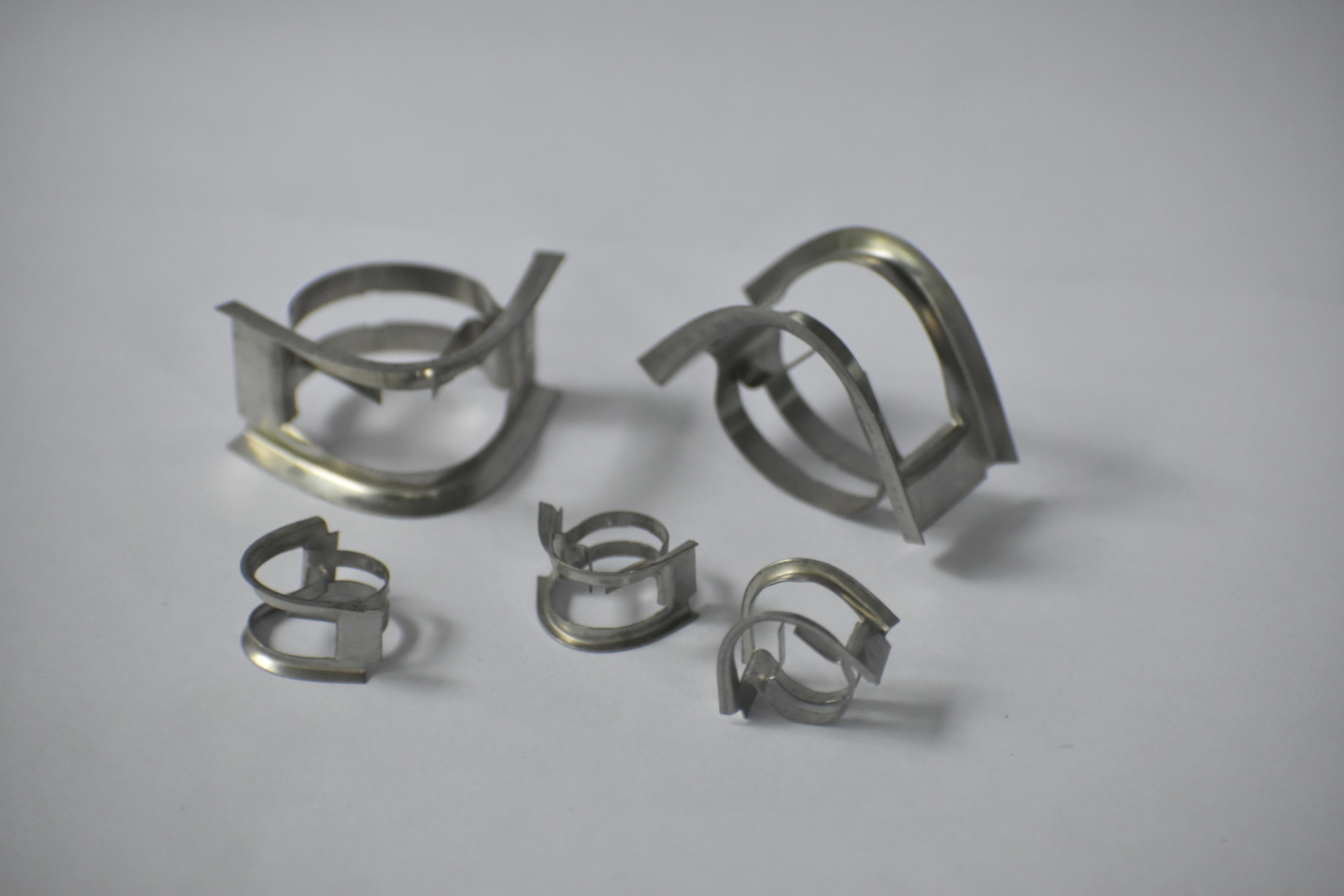
Case Study: Driving Process Intensification and Hydraulic Optimization in Vietnam’s Chemical Sectors Executive Summary As Vietnam solidifies its position as a dominant industrial manufacturing powerhouse in Southeast Asia, local processing plants face aggressive mandates to expand volumetric throughput while slashing rising utility energy overheads. Inside high-capacity distillation columns, gas sweetening units, and industrial scrubbers, operational efficiency depends strictly on the fluid dynamics of the tower internals. This case study examines how Aera Engineering Pvt. Ltd. successfully partnered with a premier chemical synthesis and solvent reclamation facility located in the southern industrial corridors of Vietnam. Faced with chronic column flooding, high differential pressure drop (dP), and premature thermal degradation of heat-sensitive fractions, the plant required a complete engineering overhaul of its mass transfer internals. By replacing legacy mass transfer media with Aera Engineering’s precision-stamped, third-generation Metallic IMTP (Intalox Metal Tower Packing) Saddles, the facility completely eliminated hydraulic bottlenecks, achieved an unprecedented 32% reduction in column pressure drop, and extended its operational runtime between turnarounds. The Client and Operational Context The client operates a high-capacity multi-product solvent recovery and chemical intermediate processing plant in the Binh Duong Province, Vietnam. The facility purifies volatile organic solvents (such as acetone, ethanol, and methanol) up to a strict >99.9% purity threshold for pharmaceutical and electronics manufacturing re-use. The core unit operation relied on a vertical fractionation column processing highly volatile hydrocarbon streams under moderate vacuum regimes. The Engineering Challenge: Bottlenecks & Hydraulic Resistance The distillation tower was originally equipped with legacy, first-generation closed-wall random packing elements (standard solid-walled rings). As the plant attempted to scale up production capacity to meet booming regional market demands, severe hydraulic and thermodynamic limitations emerged: Severe Column Pressure Drop (dP) Spikes: The legacy packing's rigid physical profile imposed high aerodynamic drag against rising process vapors. This spiked the differential pressure across the column bed, forcing vacuum compressors and reboilers to work significantly harder. Thermal Degradation & Coking: Elevated pressure drop directly raised the boiling temperature at the base of the tower. Because the plant processed heat-sensitive organic intermediates, this high thermal profile triggered immediate thermal cracking, polymerization, and heavy coking on the packing surfaces. Element Bed Nesting & Liquid Channeling: Under the immense static downward weight of the deep packed bed, the un-flanged legacy rings began to mechanically slide and stack inside one another ('nest'). This nesting created compressed, dense blocks of metal that choked vapor pathways and forced descending liquid solvents to migrate exclusively toward the column shell. This phenomenon, known as liquid channeling, left vast sections of the bed dry and triggered premature tower flooding. The plant was trapped in a costly cycle: it could not run at full design capacity without triggering column flooding, and it faced frequent unscheduled shutdowns to clean fouled packing surfaces. The Aera Engineering Solution: Precision Fluid Dynamics Aera Engineering’s technical sales and design divisions executed a thorough column simulation and modeling audit. The data indicated that the column shell itself was structurally sound, but the internal mass transfer matrix required an upgrade to a high-efficiency format. Legacy Closed Rings ---> High Mechanical Drag ---> Element Nesting ---> Severe Liquid Channeling Aera Metallic Saddles ---> 98% Void Fraction ---> Anti-Nesting Profile ---> Uniform Surface Wetting We manufactured, verified, and exported a high-performance batch of Aera Metallic IMTP Saddles fabricated from premium Stainless Steel 316L (SS 316L), meticulously tailored to the client's operational parameters. Why Aera Metallic Saddles Transformed the Bed Architecture: The Anti-Nesting Profile: Unlike the smooth-backed elements previously deployed, Aera Saddles combine the aerodynamic profile of a saddle with the open, internal contact fingers of a ring. They feature strategically stamped windows and flanged structural edges. This geometric design ensures elements cannot interlock or slide inside one another under deep-bed weight, establishing a perfectly uniform, randomized matrix. Maximized Void Fraction: By using automated, precision-tool stamping lines, we maintained an ultra-thin wall profile while retaining excellent mechanical crush strength. This opened the packed bed structure to an exceptionally high void fraction (up to 98% free volume), offering minimal physical resistance to rising vapor velocities. Continuous Boundary Layer Renewal: The internally punched tabs and fingers act as continuous mechanical fluid-disruptors. As the liquid solvent trickles down the column, these features continuously slice and shear the fluid film into ultra-thin, highly turbulent sheets. This persistent phase boundary renewal maximized mass transfer kinetics, drastically lowering the column's HETP (Height Equivalent to a Theoretical Plate). Uncompromising Material Verification Because the processing plant is located adjacent to coastal corridors where portside ambient air is rich in marine chlorides, material longevity was paramount. Aera Engineering supplied the packing with full metallurgical traceability—including raw Mill Test Certificates (MTCs), heat numbers, and Positive Material Identification (PMI) validation logs—ensuring the SS 316L metallurgy possessed the exact 2–3% Molybdenum content required to prevent chloride-induced pitting and stress corrosion cracking. Execution & Seamless Export Logistics To fit within the client’s strict turnaround window, Aera Engineering accelerated its production schedule at our advanced manufacturing hub in Por, Vadodara. Sea-Worthy Preservation Packing: Because tower elements are highly sensitive to physical deformation and marine salt spray during ocean transit, the entire cargo was securely palletized, reinforced with heavy-duty steel strapping, and plastic-wrapped inside export-worthy boxes. Rapid Maritime Dispatch: The shipment was routed via direct sea freight straight to Ho Chi Minh City Port (Cat Lai). All customs-clearance documentation, clean Bills of Lading, precise packing lists, and Certificates of Origin (COO) were provided well in advance, enabling zero-delay clearance at the port checkpoint. The Results: Quantifiable Operational Gains Following the installation of Aera Metallic IMTP Saddles and a redesigned liquid distributor, the distillation tower was restarted and systematically scaled up to full capacity. The operational metrics collected over the subsequent months demonstrated an immediate return on investment (CAPEX): 32% Reduction in Column Pressure Drop: The highly open, aerodynamic structure of the new bed allowed vapors to ascend with minimal drag. This dropped auxiliary electricity consumption for vacuum compressors and lowered reboiler steam demands. Zero Liquid Channeling & Lower HETP: The anti-nesting geometry maintained a flawless, uniform liquid-vapor distribution across the entire bed cross-section. The reduction in HETP allowed the plant to easily exceed its target solvent purity of >99.9%. Capacity Increase of 25%: Because the ultimate hydraulic flooding ceiling was dramatically raised, process engineers safely ramped up volumetric feed throughput by 25% above legacy operational limits without experiencing liquid carryover. Elimination of Unscheduled Shutdowns: Lowering the base column operating pressure successfully dropped the boiling temperature, completely preventing thermal cracking and polymer coking. The plant has sustained continuous runtime with zero fouling-related stoppages. Conclusion: Partner with Aera Engineering Pvt. Ltd. This project highlights that expanding processing capacity does not always require building massive, expensive new column shells. Upgrading to advanced, third-generation tower internals can completely revitalize an underperforming column, transforming it into a high-capacity asset. At Aera Engineering Pvt. Ltd., we combine internal tooling control, strict quality management frameworks, and factory-direct wholesale pricing to eliminate trading company markups common within regional distributor networks in Vietnam. Optimize Your Tower Capacity Today Let our engineering specialists assist you in minimizing column pressure drops, boosting mass transfer kinetics, and expanding plant capacity. Contact our technical sales division today for detailed sizing logs, engineering data charts, or a direct commercial proposal tailored to your specific plant criteria. Corporate Website: www.aeraepl.com / www.randomtowerpacking.com Official Inquiries: tanish@aeraepl.com / gowdashankar4@gmail.com / info@randomtowerpacking.com Direct Hotline: +91 97377 73751 / +91 97310 53731 Manufacturing Hub: Shed No - 75, Aatmiya Brookfieldz Industrial Park, Por, Vadodara, Gujarat, India - 391243


This is your website preview.
Currently it only shows your basic business info. Start adding relevant business details such as description, images and products or services to gain your customers attention by using Boost 360 android app / iOS App / web portal.
Case Study: Aera Engineering Projects in Vietnam
2026-06-10T09:30:34
Case Study: Driving Process Intensification and Hydraulic Optimization in Vietnam’s Chemical Sectors Executive Summary As Vietnam solidifies its position as a dominant industrial manufacturing powerhouse in Southeast Asia, local processing plants face aggressive mandates to expand volumetric throughput while slashing rising utility energy overheads. Inside high-capacity distillation columns, gas sweetening units, and industrial scrubbers, operational efficiency depends strictly on the fluid dynamics of the tower internals. This case study examines how Aera Engineering Pvt. Ltd. successfully partnered with a premier chemical synthesis and solvent reclamation facility located in the southern industrial corridors of Vietnam. Faced with chronic column flooding, high differential pressure drop (dP), and premature thermal degradation of heat-sensitive fractions, the plant required a complete engineering overhaul of its mass transfer internals. By replacing legacy mass transfer media with Aera Engineering’s precision-stamped, third-generation Metallic IMTP (Intalox Metal Tower Packing) Saddles, the facility completely eliminated hydraulic bottlenecks, achieved an unprecedented 32% reduction in column pressure drop, and extended its operational runtime between turnarounds. The Client and Operational Context The client operates a high-capacity multi-product solvent recovery and chemical intermediate processing plant in the Binh Duong Province, Vietnam. The facility purifies volatile organic solvents (such as acetone, ethanol, and methanol) up to a strict >99.9% purity threshold for pharmaceutical and electronics manufacturing re-use. The core unit operation relied on a vertical fractionation column processing highly volatile hydrocarbon streams under moderate vacuum regimes. The Engineering Challenge: Bottlenecks & Hydraulic Resistance The distillation tower was originally equipped with legacy, first-generation closed-wall random packing elements (standard solid-walled rings). As the plant attempted to scale up production capacity to meet booming regional market demands, severe hydraulic and thermodynamic limitations emerged: Severe Column Pressure Drop (dP) Spikes: The legacy packing's rigid physical profile imposed high aerodynamic drag against rising process vapors. This spiked the differential pressure across the column bed, forcing vacuum compressors and reboilers to work significantly harder. Thermal Degradation & Coking: Elevated pressure drop directly raised the boiling temperature at the base of the tower. Because the plant processed heat-sensitive organic intermediates, this high thermal profile triggered immediate thermal cracking, polymerization, and heavy coking on the packing surfaces. Element Bed Nesting & Liquid Channeling: Under the immense static downward weight of the deep packed bed, the un-flanged legacy rings began to mechanically slide and stack inside one another ('nest'). This nesting created compressed, dense blocks of metal that choked vapor pathways and forced descending liquid solvents to migrate exclusively toward the column shell. This phenomenon, known as liquid channeling, left vast sections of the bed dry and triggered premature tower flooding. The plant was trapped in a costly cycle: it could not run at full design capacity without triggering column flooding, and it faced frequent unscheduled shutdowns to clean fouled packing surfaces. The Aera Engineering Solution: Precision Fluid Dynamics Aera Engineering’s technical sales and design divisions executed a thorough column simulation and modeling audit. The data indicated that the column shell itself was structurally sound, but the internal mass transfer matrix required an upgrade to a high-efficiency format. Legacy Closed Rings ---> High Mechanical Drag ---> Element Nesting ---> Severe Liquid Channeling Aera Metallic Saddles ---> 98% Void Fraction ---> Anti-Nesting Profile ---> Uniform Surface Wetting We manufactured, verified, and exported a high-performance batch of Aera Metallic IMTP Saddles fabricated from premium Stainless Steel 316L (SS 316L), meticulously tailored to the client's operational parameters. Why Aera Metallic Saddles Transformed the Bed Architecture: The Anti-Nesting Profile: Unlike the smooth-backed elements previously deployed, Aera Saddles combine the aerodynamic profile of a saddle with the open, internal contact fingers of a ring. They feature strategically stamped windows and flanged structural edges. This geometric design ensures elements cannot interlock or slide inside one another under deep-bed weight, establishing a perfectly uniform, randomized matrix. Maximized Void Fraction: By using automated, precision-tool stamping lines, we maintained an ultra-thin wall profile while retaining excellent mechanical crush strength. This opened the packed bed structure to an exceptionally high void fraction (up to 98% free volume), offering minimal physical resistance to rising vapor velocities. Continuous Boundary Layer Renewal: The internally punched tabs and fingers act as continuous mechanical fluid-disruptors. As the liquid solvent trickles down the column, these features continuously slice and shear the fluid film into ultra-thin, highly turbulent sheets. This persistent phase boundary renewal maximized mass transfer kinetics, drastically lowering the column's HETP (Height Equivalent to a Theoretical Plate). Uncompromising Material Verification Because the processing plant is located adjacent to coastal corridors where portside ambient air is rich in marine chlorides, material longevity was paramount. Aera Engineering supplied the packing with full metallurgical traceability—including raw Mill Test Certificates (MTCs), heat numbers, and Positive Material Identification (PMI) validation logs—ensuring the SS 316L metallurgy possessed the exact 2–3% Molybdenum content required to prevent chloride-induced pitting and stress corrosion cracking. Execution & Seamless Export Logistics To fit within the client’s strict turnaround window, Aera Engineering accelerated its production schedule at our advanced manufacturing hub in Por, Vadodara. Sea-Worthy Preservation Packing: Because tower elements are highly sensitive to physical deformation and marine salt spray during ocean transit, the entire cargo was securely palletized, reinforced with heavy-duty steel strapping, and plastic-wrapped inside export-worthy boxes. Rapid Maritime Dispatch: The shipment was routed via direct sea freight straight to Ho Chi Minh City Port (Cat Lai). All customs-clearance documentation, clean Bills of Lading, precise packing lists, and Certificates of Origin (COO) were provided well in advance, enabling zero-delay clearance at the port checkpoint. The Results: Quantifiable Operational Gains Following the installation of Aera Metallic IMTP Saddles and a redesigned liquid distributor, the distillation tower was restarted and systematically scaled up to full capacity. The operational metrics collected over the subsequent months demonstrated an immediate return on investment (CAPEX): 32% Reduction in Column Pressure Drop: The highly open, aerodynamic structure of the new bed allowed vapors to ascend with minimal drag. This dropped auxiliary electricity consumption for vacuum compressors and lowered reboiler steam demands. Zero Liquid Channeling & Lower HETP: The anti-nesting geometry maintained a flawless, uniform liquid-vapor distribution across the entire bed cross-section. The reduction in HETP allowed the plant to easily exceed its target solvent purity of >99.9%. Capacity Increase of 25%: Because the ultimate hydraulic flooding ceiling was dramatically raised, process engineers safely ramped up volumetric feed throughput by 25% above legacy operational limits without experiencing liquid carryover. Elimination of Unscheduled Shutdowns: Lowering the base column operating pressure successfully dropped the boiling temperature, completely preventing thermal cracking and polymer coking. The plant has sustained continuous runtime with zero fouling-related stoppages. Conclusion: Partner with Aera Engineering Pvt. Ltd. This project highlights that expanding processing capacity does not always require building massive, expensive new column shells. Upgrading to advanced, third-generation tower internals can completely revitalize an underperforming column, transforming it into a high-capacity asset. At Aera Engineering Pvt. Ltd., we combine internal tooling control, strict quality management frameworks, and factory-direct wholesale pricing to eliminate trading company markups common within regional distributor networks in Vietnam. Optimize Your Tower Capacity Today Let our engineering specialists assist you in minimizing column pressure drops, boosting mass transfer kinetics, and expanding plant capacity. Contact our technical sales division today for detailed sizing logs, engineering data charts, or a direct commercial proposal tailored to your specific plant criteria. Corporate Website: www.aeraepl.com / www.randomtowerpacking.com Official Inquiries: tanish@aeraepl.com / gowdashankar4@gmail.com / info@randomtowerpacking.com Direct Hotline: +91 97377 73751 / +91 97310 53731 Manufacturing Hub: Shed No - 75, Aatmiya Brookfieldz Industrial Park, Por, Vadodara, Gujarat, India - 391243
2026-06-10T09:30:34


Submit Your Enquiry