
Optimizing Mass Transfer CAPEX: Cost Comparison of Packing Materials in India In the execution of a chemical plant expansion, refinery turnaround, or industrial gas scrubbing project, process internals represent a critical capital expenditure (CAPEX). While column geometry dictates throughput capacity and pressure drop, the selection of tower packing materials ultimately determines the project's baseline economics, return on investment (ROI), and operational lifecycle. Procurement managers and process engineers frequently face a classic engineering dilemma: Should we minimize upfront capital costs by opting for economical polymers, or invest heavily in premium stainless steels, ceramics, or elite superalloys? Sourcing tower packing at the best price in India doesn't mean purchasing the cheapest component available; it means analyzing the Total Cost of Ownership (TCO). An unoptimized material selection that saves money initially can quickly trigger unexpected thermal softening, severe localized pitting, or early bed compaction—forcing an unscheduled column shutdown that costs millions of rupees in lost daily production. Operating from our advanced industrial manufacturing facility in Vadodara, Gujarat, Aera Engineering Pvt. Ltd. breaks down the cost hierarchies, material tradeoffs, and financial indicators across all major mass transfer material families to help your team maximize your procurement ROI. The Tower Packing Cost Hierarchy 1. Plastic Sourcing Economics: Commodity vs. High-Performance For low-to-medium temperature operations (such as municipal water aeration, VOC air stripping, and acid gas scrubbers), engineered polymers provide an unbeatable blend of low structural weight and total chemical inertness. However, within the plastic family, pricing varies wildly: Polypropylene (PP) & Glass-Reinforced Polypropylene (RPP) — The Budget Champions • Financial Profile: PP represents the baseline entry-level cost for random tower packing. Sourcing PP packing delivers the lowest possible upfront CAPEX. Furthermore, its remarkably low density minimizes the static downward load on column support grids, allowing engineering teams to design lighter, less expensive column foundations. • The ROI Limit: Restricted to operating temperatures under 100°C. If a chemical loop experiences unexpected thermal surges, standard PP can soften, leading to structural bed collapse, choked column hydraulics, and an immediate, expensive maintenance turnaround. Polyvinylidene Fluoride (PVDF) — The Premium Polymer • Financial Profile: PVDF can cost 5 to 8 times more than standard PP. Sourcing pure virgin PVDF requires specialized, high-temperature automated injection molding infrastructure and premium virgin resins. • The TCO Value: PVDF maintains its rigid mechanical shape and high compressive rigidity at continuous operating temperatures up to 140°C. It offers virtually absolute resistance to highly aggressive chemicals (including wet chlorine gas and concentrated nitric acid) and contains zero additives, making it highly economical for high-purity pharmaceutical separations, food-grade lines, and semiconductor chemical loops where metal contamination is an unacceptable risk. 2. Ceramic Sourcing Economics: High Heat at Low Capital Cost When columns operate at extreme temperatures exceeding 1000°C or handle highly concentrated, roaring mineral acids, standard steels oxidize and plastics vaporize. In these punishing loops, chemical ceramics offer a unique financial sweet spot. • Financial Profile: Industrial ceramics like Chemical Porcelain Saddles are positioned closely to standard metals in terms of cost, making them incredibly cost-effective for large-volume industrial installations. • The TCO Value: Fired inside high-temperature kilns to ensure zero chemical reactivity and absolute immunity to virtually all organic and inorganic acids (except hydrofluoric acid). Their naturally micro-porous, matte surface texture allows fluids to spread smoothly and evenly across the bed, maximizing mass transfer efficiency in sulfuric acid drying towers and Regenerative Thermal Oxidizers (RTOs). • The Financial Tradeoff: Ceramics are inherently brittle. They are prone to chipping or cracking if handled roughly during manual column loading or transit, requiring a minor excess volume margin (typically 3–5% settling allowance) to be factored into the initial bulk procurement quote. 3. Metal Sourcing Economics: Standard Stainless Steel vs. Elite Superalloys For high-temperature vacuum distillations, high-pressure fractionations, and deep packed beds experiencing intense compressive weight, metallic random packings deliver exceptional open void fractions (typically 92% to 98% free volume). Stainless Steel 304 & 316L — The Industrial Workhorses • Financial Profile: SS 304 offers excellent cost efficiency for general solvent separations and non-corrosive hydrocarbons. Stepping up to SS 316L introduces a 15–25% material premium due to the inclusion of molybdenum. • The TCO Value: That minor upfront premium for SS 316L provides exceptional protection against localized pitting and crevice corrosion in mild acid and chloride-heavy zones, drastically extending the service lifespan of the bed compared to standard steel. Monel 400 & Hastelloy C-276 — The Frontier Metallurgies • Financial Profile: Superalloys sit at the apex of the cost hierarchy, frequently costing 15 to 30 times more than standard stainless steel. Sourcing high-value superalloys exposes procurement teams to fluctuating global nickel, chromium, and molybdenum market premiums. • The TCO Value: While the upfront CAPEX can look intimidating, the long-term TCO is highly optimized. Sourcing an unverified or sub-standard alloy composition in an aggressive chemical tower can cause rapid material failure within weeks. Monel 400 is mandatory for surviving hydrofluoric ($HF$) alkylation units and hot marine brines without chloride-ion stress corrosion cracking ($SCC$). Hastelloy C-276 remains completely immune to wet chlorine gas, hypochlorite solutions, and hot contaminated mineral acids. In these high-stakes zones, investing in premium metallurgy pays for itself by preventing catastrophic, multi-million-rupee daily production losses from unplanned shutdowns. Modern process plants are rapidly debottlenecking their systems by upgrading to advanced, high-capacity shapes like Aera Saddles (Advanced Metal Saddles / IMTP Equivalents). Stamped precisely from metal or superalloy coils, our high-capacity saddles combine an aerodynamic curve with internal projecting fingers to eliminate element interlocking or nesting. This advanced geometric configuration: • Reduces Pressure Drops: Significantly lowers daily utility blower and compressor energy bills. • Boosts Column Capacity: Upgrades existing column shells to handle up to 10–30% higher vapor throughput, allowing chemical plants to vastly increase their daily production capacity without investing in expensive, new column infrastructure. Why Choose Aera Engineering for Your Sourcing Needs? Operating from our advanced industrial hub in Vadodara, Gujarat—the core of India's chemical manufacturing landscape—Aera Engineering Pvt. Ltd. bridges the gap between raw material science and factory-direct pricing. Sourcing your tower internals through our ecosystem provides distinct operational and financial advantages: • Direct Factory Pricing (No Middleman Markups): As a direct, end-to-end manufacturer, we eliminate multi-tier distributor fees and trading commissions, passing the structural cost savings directly onto your capital budget. • In-House Tooling Precision: We cut, design, and maintain 100% of our progressive stamping dies and injection molds entirely in-house. This centralized control allows us to strictly monitor tool wear and ensure absolute dimensional uniformity across millions of individual high-alloy pieces, completely eliminating the operational risk of element nesting. • Precision Sheet Metal Pressed Components: Alongside random packing elements, we leverage high-speed presses to fabricate custom column internals, support grids, and precise sheet metal pressed profiles. Tailored to your exact blueprint drawings, these components prioritize precision-pressed profiles while avoiding unnecessary bulk, reducing total structural steel costs. • 100% Certified Material Traceability: As an ISO 9001:2015 certified organization, we mandate rigid Positive Material Identification (PMI) testing on 100% of incoming high-alloy coils and use only certified virgin polymer resins, backing every consignment with comprehensive Material Test Certificates (MTCs) and full heat-number traceability. Secure Your Best-Price Sourcing Plan Today Don't let rigid component catalogs, middleman markups, or unverified material tracking compromise your plant's capital efficiency and long-term asset integrity. Sourcing the perfect tower packing material requires balancing your fluid chemistry and temperature thresholds with factory-direct manufacturing economics. Connect with the technical sourcing desk at Aera Engineering Pvt. Ltd. today. Submit your column diameters, share your volume requirements (in cubic meters or cubic feet) or structural drawings with our sales engineers, and receive a comprehensive, best-price factory-direct quotation tailored to maximize your mass transfer efficiency. Keywords Regarding This Guide • Cost Comparison of Packing Materials in India • Aera Engineering Pvt Ltd • Best Price Tower Packing Supplier India • Sheet Metal Pressed Components Vadodara • Intalox Metal Tower Packing Price India • Plastic Intalox Saddle Manufacturer India • Ceramic Column Packing Bulk Suppliers • Monel and Hastelloy IMTP Sourcing India • Chemical Plant Equipment Sourcing Vadodara


This is your website preview.
Currently it only shows your basic business info. Start adding relevant business details such as description, images and products or services to gain your customers attention by using Boost 360 android app / iOS App / web portal.
Cost Comparison of Packing Materials in India
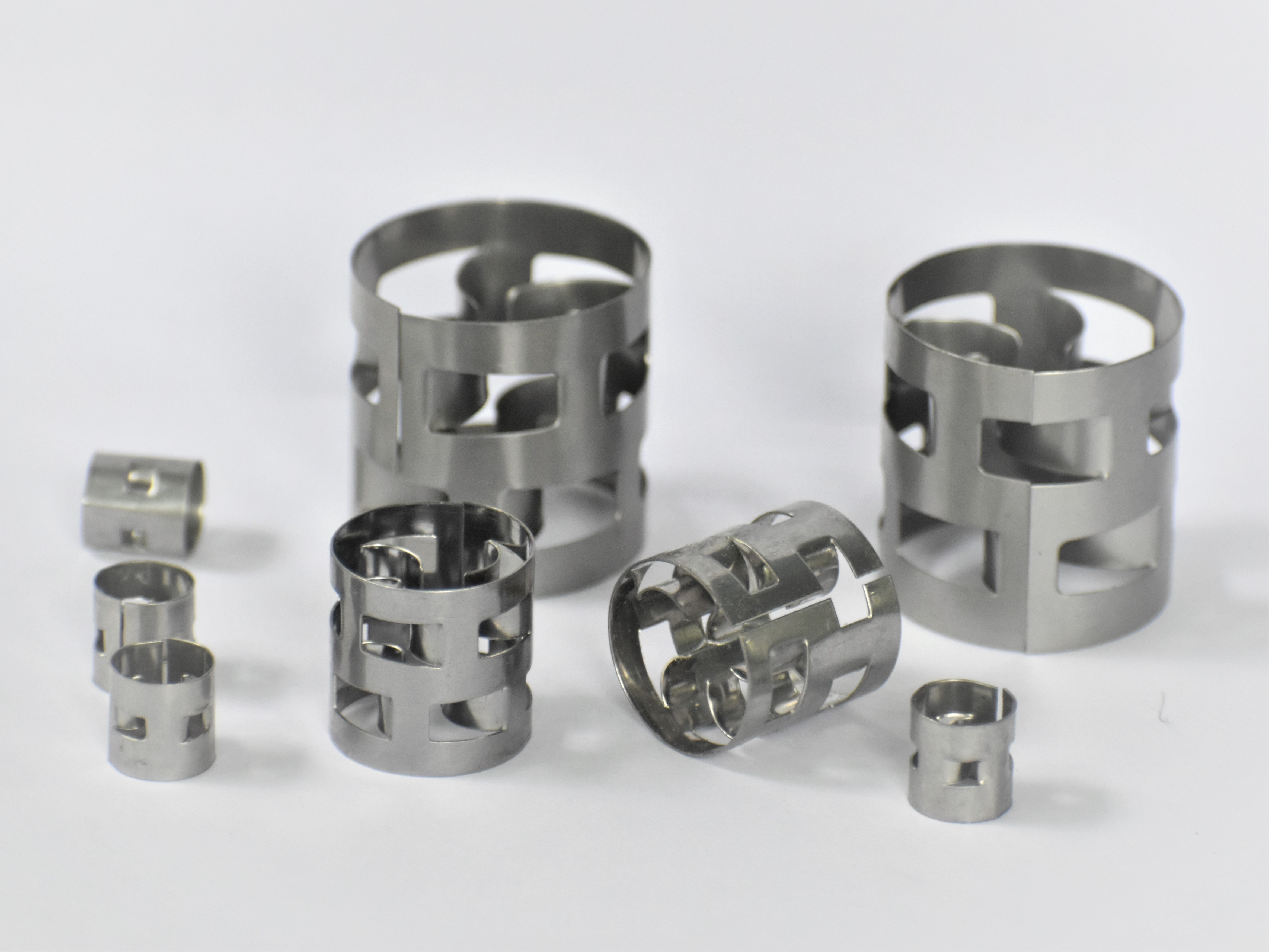
2026-06-15T10:57:13
Optimizing Mass Transfer CAPEX: Cost Comparison of Packing Materials in India In the execution of a chemical plant expansion, refinery turnaround, or industrial gas scrubbing project, process internals represent a critical capital expenditure (CAPEX). While column geometry dictates throughput capacity and pressure drop, the selection of tower packing materials ultimately determines the project's baseline economics, return on investment (ROI), and operational lifecycle. Procurement managers and process engineers frequently face a classic engineering dilemma: Should we minimize upfront capital costs by opting for economical polymers, or invest heavily in premium stainless steels, ceramics, or elite superalloys? Sourcing tower packing at the best price in India doesn't mean purchasing the cheapest component available; it means analyzing the Total Cost of Ownership (TCO). An unoptimized material selection that saves money initially can quickly trigger unexpected thermal softening, severe localized pitting, or early bed compaction—forcing an unscheduled column shutdown that costs millions of rupees in lost daily production. Operating from our advanced industrial manufacturing facility in Vadodara, Gujarat, Aera Engineering Pvt. Ltd. breaks down the cost hierarchies, material tradeoffs, and financial indicators across all major mass transfer material families to help your team maximize your procurement ROI. The Tower Packing Cost Hierarchy 1. Plastic Sourcing Economics: Commodity vs. High-Performance For low-to-medium temperature operations (such as municipal water aeration, VOC air stripping, and acid gas scrubbers), engineered polymers provide an unbeatable blend of low structural weight and total chemical inertness. However, within the plastic family, pricing varies wildly: Polypropylene (PP) & Glass-Reinforced Polypropylene (RPP) — The Budget Champions • Financial Profile: PP represents the baseline entry-level cost for random tower packing. Sourcing PP packing delivers the lowest possible upfront CAPEX. Furthermore, its remarkably low density minimizes the static downward load on column support grids, allowing engineering teams to design lighter, less expensive column foundations. • The ROI Limit: Restricted to operating temperatures under 100°C. If a chemical loop experiences unexpected thermal surges, standard PP can soften, leading to structural bed collapse, choked column hydraulics, and an immediate, expensive maintenance turnaround. Polyvinylidene Fluoride (PVDF) — The Premium Polymer • Financial Profile: PVDF can cost 5 to 8 times more than standard PP. Sourcing pure virgin PVDF requires specialized, high-temperature automated injection molding infrastructure and premium virgin resins. • The TCO Value: PVDF maintains its rigid mechanical shape and high compressive rigidity at continuous operating temperatures up to 140°C. It offers virtually absolute resistance to highly aggressive chemicals (including wet chlorine gas and concentrated nitric acid) and contains zero additives, making it highly economical for high-purity pharmaceutical separations, food-grade lines, and semiconductor chemical loops where metal contamination is an unacceptable risk. 2. Ceramic Sourcing Economics: High Heat at Low Capital Cost When columns operate at extreme temperatures exceeding 1000°C or handle highly concentrated, roaring mineral acids, standard steels oxidize and plastics vaporize. In these punishing loops, chemical ceramics offer a unique financial sweet spot. • Financial Profile: Industrial ceramics like Chemical Porcelain Saddles are positioned closely to standard metals in terms of cost, making them incredibly cost-effective for large-volume industrial installations. • The TCO Value: Fired inside high-temperature kilns to ensure zero chemical reactivity and absolute immunity to virtually all organic and inorganic acids (except hydrofluoric acid). Their naturally micro-porous, matte surface texture allows fluids to spread smoothly and evenly across the bed, maximizing mass transfer efficiency in sulfuric acid drying towers and Regenerative Thermal Oxidizers (RTOs). • The Financial Tradeoff: Ceramics are inherently brittle. They are prone to chipping or cracking if handled roughly during manual column loading or transit, requiring a minor excess volume margin (typically 3–5% settling allowance) to be factored into the initial bulk procurement quote. 3. Metal Sourcing Economics: Standard Stainless Steel vs. Elite Superalloys For high-temperature vacuum distillations, high-pressure fractionations, and deep packed beds experiencing intense compressive weight, metallic random packings deliver exceptional open void fractions (typically 92% to 98% free volume). Stainless Steel 304 & 316L — The Industrial Workhorses • Financial Profile: SS 304 offers excellent cost efficiency for general solvent separations and non-corrosive hydrocarbons. Stepping up to SS 316L introduces a 15–25% material premium due to the inclusion of molybdenum. • The TCO Value: That minor upfront premium for SS 316L provides exceptional protection against localized pitting and crevice corrosion in mild acid and chloride-heavy zones, drastically extending the service lifespan of the bed compared to standard steel. Monel 400 & Hastelloy C-276 — The Frontier Metallurgies • Financial Profile: Superalloys sit at the apex of the cost hierarchy, frequently costing 15 to 30 times more than standard stainless steel. Sourcing high-value superalloys exposes procurement teams to fluctuating global nickel, chromium, and molybdenum market premiums. • The TCO Value: While the upfront CAPEX can look intimidating, the long-term TCO is highly optimized. Sourcing an unverified or sub-standard alloy composition in an aggressive chemical tower can cause rapid material failure within weeks. Monel 400 is mandatory for surviving hydrofluoric ($HF$) alkylation units and hot marine brines without chloride-ion stress corrosion cracking ($SCC$). Hastelloy C-276 remains completely immune to wet chlorine gas, hypochlorite solutions, and hot contaminated mineral acids. In these high-stakes zones, investing in premium metallurgy pays for itself by preventing catastrophic, multi-million-rupee daily production losses from unplanned shutdowns. Modern process plants are rapidly debottlenecking their systems by upgrading to advanced, high-capacity shapes like Aera Saddles (Advanced Metal Saddles / IMTP Equivalents). Stamped precisely from metal or superalloy coils, our high-capacity saddles combine an aerodynamic curve with internal projecting fingers to eliminate element interlocking or nesting. This advanced geometric configuration: • Reduces Pressure Drops: Significantly lowers daily utility blower and compressor energy bills. • Boosts Column Capacity: Upgrades existing column shells to handle up to 10–30% higher vapor throughput, allowing chemical plants to vastly increase their daily production capacity without investing in expensive, new column infrastructure. Why Choose Aera Engineering for Your Sourcing Needs? Operating from our advanced industrial hub in Vadodara, Gujarat—the core of India's chemical manufacturing landscape—Aera Engineering Pvt. Ltd. bridges the gap between raw material science and factory-direct pricing. Sourcing your tower internals through our ecosystem provides distinct operational and financial advantages: • Direct Factory Pricing (No Middleman Markups): As a direct, end-to-end manufacturer, we eliminate multi-tier distributor fees and trading commissions, passing the structural cost savings directly onto your capital budget. • In-House Tooling Precision: We cut, design, and maintain 100% of our progressive stamping dies and injection molds entirely in-house. This centralized control allows us to strictly monitor tool wear and ensure absolute dimensional uniformity across millions of individual high-alloy pieces, completely eliminating the operational risk of element nesting. • Precision Sheet Metal Pressed Components: Alongside random packing elements, we leverage high-speed presses to fabricate custom column internals, support grids, and precise sheet metal pressed profiles. Tailored to your exact blueprint drawings, these components prioritize precision-pressed profiles while avoiding unnecessary bulk, reducing total structural steel costs. • 100% Certified Material Traceability: As an ISO 9001:2015 certified organization, we mandate rigid Positive Material Identification (PMI) testing on 100% of incoming high-alloy coils and use only certified virgin polymer resins, backing every consignment with comprehensive Material Test Certificates (MTCs) and full heat-number traceability. Secure Your Best-Price Sourcing Plan Today Don't let rigid component catalogs, middleman markups, or unverified material tracking compromise your plant's capital efficiency and long-term asset integrity. Sourcing the perfect tower packing material requires balancing your fluid chemistry and temperature thresholds with factory-direct manufacturing economics. Connect with the technical sourcing desk at Aera Engineering Pvt. Ltd. today. Submit your column diameters, share your volume requirements (in cubic meters or cubic feet) or structural drawings with our sales engineers, and receive a comprehensive, best-price factory-direct quotation tailored to maximize your mass transfer efficiency. Keywords Regarding This Guide • Cost Comparison of Packing Materials in India • Aera Engineering Pvt Ltd • Best Price Tower Packing Supplier India • Sheet Metal Pressed Components Vadodara • Intalox Metal Tower Packing Price India • Plastic Intalox Saddle Manufacturer India • Ceramic Column Packing Bulk Suppliers • Monel and Hastelloy IMTP Sourcing India • Chemical Plant Equipment Sourcing Vadodara
2026-06-15T10:57:13


Submit Your Enquiry