
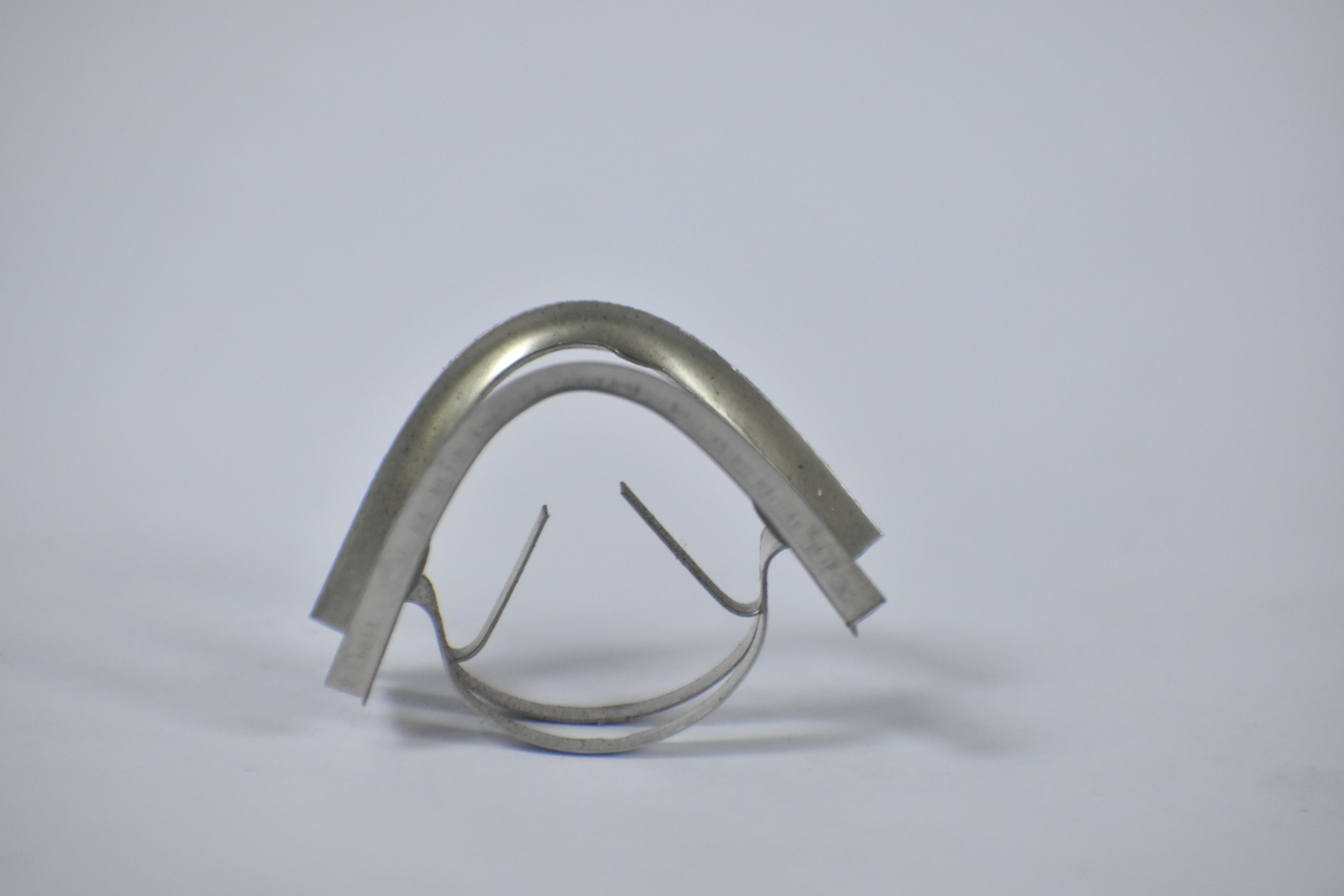
Capital Efficiency in Mass Transfer: Analyzing the Cost of Tower Packing in Vietnam Industries As Vietnam cements its position as one of the fastest-growing industrial manufacturing and chemical processing hubs in Southeast Asia, local processing plants face intense pressure to optimize. From the high-capacity refining trains at the Nghi Son and Dung Quat complexes to the fast-expanding chemical synthesis, fertilizer, pharmaceutical, and water treatment corridors across Binh Duong, Dong Nai, and Bac Ninh, industrial facilities are running under intense operational demands. Inside multi-stage fractional distillation columns, rich amine loops, vacuum strippers, and environmental gas scrubbers, maintaining maximum throughput while keeping operating costs low depends strictly on your mass transfer internals. When coordinating a major turnaround, debottlenecking an underperforming gas scrubber, or engineering a high-capacity separation column from the ground up, procurement teams are tasked with balancing strict technical specifications against project capital layout (CAPEX). Sourcing from an internationally compliant supplier at an optimized cost requires understanding the real-world cost drivers of tower packing in Vietnam. As a certified, factory-direct global manufacturer and exporter, Aera Engineering Pvt. Ltd. bridges the gap between premium engineering tolerances and unmatched wholesale value, delivering high-efficiency random and structured tower packings straight to industrial complexes across Vietnam. 1. Direct CAPEX Breakdown: Key Financial Drivers of Tower Packing Cost The ultimate price of tower packing for a Vietnamese industrial facility isn't just a number on a quotation; it is a variable metric shaped by several critical engineering decisions: A. Material of Construction (MOC) Selection Your process environment dictates your material selection, which is the primary factor driving tower packing costs. Sourcing tower packing for Vietnamese industrial projects requires balancing capital expenditure against structural longevity under unique coastal and process conditions. Many of Vietnam's primary processing complexes are stationed in coastal economic zones where portside ambient air is highly rich in marine chlorides. Stainless Steel 304 (SS 304): The most economical metal selection. It is ideal for baseline organic solvents, light hydrocarbon processing, and non-aggressive chemical formulations running under stable atmospheric velocity profiles. Stainless Steel 316 / 316L (SS 316): Typically commands a 20% to 30% cost premium over SS 304. However, it is an engineering mandate for high-severity process trains or facilities stationed near coastal maritime environments. Formulated with 2–3% Molybdenum, SS 316 provides robust protection against chloride-induced pitting and stress corrosion cracking common in brackish water or marine-adjacent processing zones. Exotic Alloys (Hastelloy, Monel, Inconel, Titanium): For specialized chemical lines handling concentrated halogenated solvents or hot mineral acids where stainless steels fail, these nickel-base superalloys represent a substantial upfront CAPEX investment. However, their cost is offset by preventing catastrophic corrosion failures and frequent column shutdowns. Engineered Polymers (Polypropylene, PVDF, PTFE): Highly cost-effective for low-temperature environmental wet scrubbers processing aggressive tail gases, though limited by lower thermal boundaries compared to metals. B. Geometric Profile: Random vs. Structured Packing The structural configuration of your column media significantly impacts manufacturing complexity and material volume: Random Packing (Pall Rings, Saddles): Manufactured via high-speed automated progressive stamping presses. Because they are produced in massive bulk volumes, they offer a highly competitive, cost-efficient upfront price per cubic meter. Structured Packing: Constructed from thin, corrugated metal sheets or woven wire gauzes arranged in highly organized geometric blocks. While structured packing requires a higher initial CAPEX investment due to precision fabrication, it provides exceptionally minimal pressure drop per theoretical stage alongside a highly minimized HETP. It is the unrivaled choice for high-vacuum distillation columns, keeping base operating temperatures low to protect heat-sensitive fractions from thermal cracking. C. Element Nominal Size & Wall Thickness In random packings, smaller nominal sizes (e.g., 16{ mm} or 25{ mm}) require significantly more stamping cycles, tighter tooling tolerances, and higher manufacturing energy per cubic meter compared to larger sizes (e.g., 38{ mm} or 50{ mm}). Similarly, modifying the baseline material thickness (ranging from 0.3 mm to 1.0 mm) to support heavy static bed weights directly alters the raw material tonnage required, shifting the final cost matrix. 2. Hidden OPEX Considerations: The Cost of Underperforming Internals A common procurement pitfall is evaluating tower packing purely on the lowest initial acquisition cost. Suboptimal manufacturing or improper geometric selections introduce severe hidden operational costs (OPEX) that can drain a plant's profitability: The Real Cost of Element Nesting and Channeling Sourcing from fragmented broker networks or trading intermediaries who outsource their stamping operations can lead to subtle dimensional deviations. Inside deep packed beds—which exert thousands of kilograms of static downward load—these structural variations cause individual elements to slide and interlock. This phenomenon, known as element nesting, compresses the bed, chokes vapor pathways, and forces descending fluids exclusively down the column walls (liquid channeling). This leaves vast sections of the bed dry, causing premature tower flooding and severely degrading component separation purity. Fixing this requires an unscheduled shutdown, process steam dumping, and emergency hardware replacement—costing hundreds of thousands of dollars in lost operational revenue. High Pressure Drops (dP) and Utility Energy Spikes Standard, poorly pressed random packings impose rigid physical barriers against rising process vapors. This structural resistance spikes the column's differential pressure drop, forcing facilities to operate larger, energy-intensive blowers, reboilers, and vacuum compressors. High pressure drops also raise the boiling temperature at the base of the tower, triggering thermal degradation or coking on the packing surface. By investing in third-generation geometries like Aera Saddles, which achieve up to a 30% reduction in operating pressure drop, plants instantly lower utility energy consumption, turning an initial CAPEX expenditure into long-term OPEX savings. 3. Supply Chain Optimization: Bypassing Broker Markups Procuring mass transfer equipment from global engineering conglomerates or regional trading entities typically requires navigating a dense chain of local agents, regional distributors, and intermediate trading entities. Each layer introduces commercial friction, logistical delays, and substantial cost roll-ups. Global Conglomerate/Broker Structure: [Factory Hub] ---> [Regional Exporter] ---> [Local Trading Agent] ---> [Vietnamese Plant] (Spikes CAPEX) Aera Engineering Direct Structure: [Aera Advanced Facility] --------------------------------------------> [Vietnamese Plant] (Optimizes CAPEX) By interacting directly with an international manufacturer like Aera Engineering Pvt. Ltd., your procurement and engineering teams secure the best factory-direct wholesale pricing while gaining major operational advantages: 100% Internal Tooling Control: We control all our progressive stamping dies and molding infrastructure at our advanced facility in Por, Vadodara, ensuring strict dimensional uniformity across every element and eliminating nesting risks. Direct Engineering Support: Direct access to raw sizing logs, hydraulic data charts, and material compliance tracking tailored specifically to your plant conditions. Rapid Turnaround Execution: The agility to rapidly accelerate production schedules to match tight turnaround windows or sudden maintenance emergencies, preventing costly project extensions. 4. End-to-End Maritime Logistics to Vietnam Sourcing factory-direct from India provides access to reliable, high-capacity ocean freight routes straight to Vietnam’s vital maritime gateways under multiple flexible commercial formats (FOB, CIF, or DDU/DDP). We systematically map shipments to minimize internal transit overheads: Ho Chi Minh City Port (Cat Lai): Sourced directly for southern industrial networks spanning Binh Duong, Dong Nai, and Long An. Hai Phong Port: Routed for northern electronics, fine chemical, and synthetic agro-chemical manufacturing hubs across Bac Ninh and Hai Duong. Da Nang Port: Dispatched straight to central regional energy blocks and downstream refinery operations. Sea-Worthy Preservation Packing Because tower packing elements feature delicate geometric walls, loose container dumping or basic bagging can lead to crushed profiles or surface oxidation from marine salt spray during ocean transit. To eliminate transit failure points, Aera Engineering applies a rigorous packaging protocol. All bulk random packing batches are securely packed inside export-worthy, heavy-duty boxes, reinforced with steel strapping, and plastic-wrapped on pallets to seal out high-salinity marine humidity. Additionally, every shipment is paired with an audit-ready compliance data pack including raw material heat numbers, original Mill Test Certificates (MTC), and Positive Material Identification (PMI) logs for zero customs clearance delays. Partner with Aera Engineering Pvt. Ltd. Achieving razor-thin process tolerances, maximizing volumetric throughput, and lowering capital layouts (CAPEX) demands a column internals partner fully committed to absolute material verification, precision manufacturing, and factory-direct wholesale value. Partner with Aera Engineering Pvt. Ltd. to optimize your next plant turnaround, debottleneck an underperforming mass transfer column, or design a high-capacity separation tower from the ground up in Vietnam. Maximize Your Column Capacity Today Let our engineering specialists assist you in minimizing column pressure drops, expanding volumetric throughput, and boosting mass transfer kinetics. Contact our technical sales division today for detailed sizing logs, engineering data charts, or a direct commercial proposal tailored to your specific project parameters. Corporate Website: www.aeraepl.com / www.randomtowerpacking.com Official Inquiries: tanish@aeraepl.com / info@randomtowerpacking.com Direct Hotline: +91 97377 73751 Manufacturing Hub: Shed No - 75, Aatmiya Brookfieldz Industrial Park, Por, Vadodara, Gujarat, India - 391243


This is your website preview.
Currently it only shows your basic business info. Start adding relevant business details such as description, images and products or services to gain your customers attention by using Boost 360 android app / iOS App / web portal.
Cost of Tower Packing in Vietnam Industries
2026-06-11T09:00:10
Capital Efficiency in Mass Transfer: Analyzing the Cost of Tower Packing in Vietnam Industries As Vietnam cements its position as one of the fastest-growing industrial manufacturing and chemical processing hubs in Southeast Asia, local processing plants face intense pressure to optimize. From the high-capacity refining trains at the Nghi Son and Dung Quat complexes to the fast-expanding chemical synthesis, fertilizer, pharmaceutical, and water treatment corridors across Binh Duong, Dong Nai, and Bac Ninh, industrial facilities are running under intense operational demands. Inside multi-stage fractional distillation columns, rich amine loops, vacuum strippers, and environmental gas scrubbers, maintaining maximum throughput while keeping operating costs low depends strictly on your mass transfer internals. When coordinating a major turnaround, debottlenecking an underperforming gas scrubber, or engineering a high-capacity separation column from the ground up, procurement teams are tasked with balancing strict technical specifications against project capital layout (CAPEX). Sourcing from an internationally compliant supplier at an optimized cost requires understanding the real-world cost drivers of tower packing in Vietnam. As a certified, factory-direct global manufacturer and exporter, Aera Engineering Pvt. Ltd. bridges the gap between premium engineering tolerances and unmatched wholesale value, delivering high-efficiency random and structured tower packings straight to industrial complexes across Vietnam. 1. Direct CAPEX Breakdown: Key Financial Drivers of Tower Packing Cost The ultimate price of tower packing for a Vietnamese industrial facility isn't just a number on a quotation; it is a variable metric shaped by several critical engineering decisions: A. Material of Construction (MOC) Selection Your process environment dictates your material selection, which is the primary factor driving tower packing costs. Sourcing tower packing for Vietnamese industrial projects requires balancing capital expenditure against structural longevity under unique coastal and process conditions. Many of Vietnam's primary processing complexes are stationed in coastal economic zones where portside ambient air is highly rich in marine chlorides. Stainless Steel 304 (SS 304): The most economical metal selection. It is ideal for baseline organic solvents, light hydrocarbon processing, and non-aggressive chemical formulations running under stable atmospheric velocity profiles. Stainless Steel 316 / 316L (SS 316): Typically commands a 20% to 30% cost premium over SS 304. However, it is an engineering mandate for high-severity process trains or facilities stationed near coastal maritime environments. Formulated with 2–3% Molybdenum, SS 316 provides robust protection against chloride-induced pitting and stress corrosion cracking common in brackish water or marine-adjacent processing zones. Exotic Alloys (Hastelloy, Monel, Inconel, Titanium): For specialized chemical lines handling concentrated halogenated solvents or hot mineral acids where stainless steels fail, these nickel-base superalloys represent a substantial upfront CAPEX investment. However, their cost is offset by preventing catastrophic corrosion failures and frequent column shutdowns. Engineered Polymers (Polypropylene, PVDF, PTFE): Highly cost-effective for low-temperature environmental wet scrubbers processing aggressive tail gases, though limited by lower thermal boundaries compared to metals. B. Geometric Profile: Random vs. Structured Packing The structural configuration of your column media significantly impacts manufacturing complexity and material volume: Random Packing (Pall Rings, Saddles): Manufactured via high-speed automated progressive stamping presses. Because they are produced in massive bulk volumes, they offer a highly competitive, cost-efficient upfront price per cubic meter. Structured Packing: Constructed from thin, corrugated metal sheets or woven wire gauzes arranged in highly organized geometric blocks. While structured packing requires a higher initial CAPEX investment due to precision fabrication, it provides exceptionally minimal pressure drop per theoretical stage alongside a highly minimized HETP. It is the unrivaled choice for high-vacuum distillation columns, keeping base operating temperatures low to protect heat-sensitive fractions from thermal cracking. C. Element Nominal Size & Wall Thickness In random packings, smaller nominal sizes (e.g., 16{ mm} or 25{ mm}) require significantly more stamping cycles, tighter tooling tolerances, and higher manufacturing energy per cubic meter compared to larger sizes (e.g., 38{ mm} or 50{ mm}). Similarly, modifying the baseline material thickness (ranging from 0.3 mm to 1.0 mm) to support heavy static bed weights directly alters the raw material tonnage required, shifting the final cost matrix. 2. Hidden OPEX Considerations: The Cost of Underperforming Internals A common procurement pitfall is evaluating tower packing purely on the lowest initial acquisition cost. Suboptimal manufacturing or improper geometric selections introduce severe hidden operational costs (OPEX) that can drain a plant's profitability: The Real Cost of Element Nesting and Channeling Sourcing from fragmented broker networks or trading intermediaries who outsource their stamping operations can lead to subtle dimensional deviations. Inside deep packed beds—which exert thousands of kilograms of static downward load—these structural variations cause individual elements to slide and interlock. This phenomenon, known as element nesting, compresses the bed, chokes vapor pathways, and forces descending fluids exclusively down the column walls (liquid channeling). This leaves vast sections of the bed dry, causing premature tower flooding and severely degrading component separation purity. Fixing this requires an unscheduled shutdown, process steam dumping, and emergency hardware replacement—costing hundreds of thousands of dollars in lost operational revenue. High Pressure Drops (dP) and Utility Energy Spikes Standard, poorly pressed random packings impose rigid physical barriers against rising process vapors. This structural resistance spikes the column's differential pressure drop, forcing facilities to operate larger, energy-intensive blowers, reboilers, and vacuum compressors. High pressure drops also raise the boiling temperature at the base of the tower, triggering thermal degradation or coking on the packing surface. By investing in third-generation geometries like Aera Saddles, which achieve up to a 30% reduction in operating pressure drop, plants instantly lower utility energy consumption, turning an initial CAPEX expenditure into long-term OPEX savings. 3. Supply Chain Optimization: Bypassing Broker Markups Procuring mass transfer equipment from global engineering conglomerates or regional trading entities typically requires navigating a dense chain of local agents, regional distributors, and intermediate trading entities. Each layer introduces commercial friction, logistical delays, and substantial cost roll-ups. Global Conglomerate/Broker Structure: [Factory Hub] ---> [Regional Exporter] ---> [Local Trading Agent] ---> [Vietnamese Plant] (Spikes CAPEX) Aera Engineering Direct Structure: [Aera Advanced Facility] --------------------------------------------> [Vietnamese Plant] (Optimizes CAPEX) By interacting directly with an international manufacturer like Aera Engineering Pvt. Ltd., your procurement and engineering teams secure the best factory-direct wholesale pricing while gaining major operational advantages: 100% Internal Tooling Control: We control all our progressive stamping dies and molding infrastructure at our advanced facility in Por, Vadodara, ensuring strict dimensional uniformity across every element and eliminating nesting risks. Direct Engineering Support: Direct access to raw sizing logs, hydraulic data charts, and material compliance tracking tailored specifically to your plant conditions. Rapid Turnaround Execution: The agility to rapidly accelerate production schedules to match tight turnaround windows or sudden maintenance emergencies, preventing costly project extensions. 4. End-to-End Maritime Logistics to Vietnam Sourcing factory-direct from India provides access to reliable, high-capacity ocean freight routes straight to Vietnam’s vital maritime gateways under multiple flexible commercial formats (FOB, CIF, or DDU/DDP). We systematically map shipments to minimize internal transit overheads: Ho Chi Minh City Port (Cat Lai): Sourced directly for southern industrial networks spanning Binh Duong, Dong Nai, and Long An. Hai Phong Port: Routed for northern electronics, fine chemical, and synthetic agro-chemical manufacturing hubs across Bac Ninh and Hai Duong. Da Nang Port: Dispatched straight to central regional energy blocks and downstream refinery operations. Sea-Worthy Preservation Packing Because tower packing elements feature delicate geometric walls, loose container dumping or basic bagging can lead to crushed profiles or surface oxidation from marine salt spray during ocean transit. To eliminate transit failure points, Aera Engineering applies a rigorous packaging protocol. All bulk random packing batches are securely packed inside export-worthy, heavy-duty boxes, reinforced with steel strapping, and plastic-wrapped on pallets to seal out high-salinity marine humidity. Additionally, every shipment is paired with an audit-ready compliance data pack including raw material heat numbers, original Mill Test Certificates (MTC), and Positive Material Identification (PMI) logs for zero customs clearance delays. Partner with Aera Engineering Pvt. Ltd. Achieving razor-thin process tolerances, maximizing volumetric throughput, and lowering capital layouts (CAPEX) demands a column internals partner fully committed to absolute material verification, precision manufacturing, and factory-direct wholesale value. Partner with Aera Engineering Pvt. Ltd. to optimize your next plant turnaround, debottleneck an underperforming mass transfer column, or design a high-capacity separation tower from the ground up in Vietnam. Maximize Your Column Capacity Today Let our engineering specialists assist you in minimizing column pressure drops, expanding volumetric throughput, and boosting mass transfer kinetics. Contact our technical sales division today for detailed sizing logs, engineering data charts, or a direct commercial proposal tailored to your specific project parameters. Corporate Website: www.aeraepl.com / www.randomtowerpacking.com Official Inquiries: tanish@aeraepl.com / info@randomtowerpacking.com Direct Hotline: +91 97377 73751 Manufacturing Hub: Shed No - 75, Aatmiya Brookfieldz Industrial Park, Por, Vadodara, Gujarat, India - 391243
2026-06-11T09:00:10


Submit Your Enquiry