
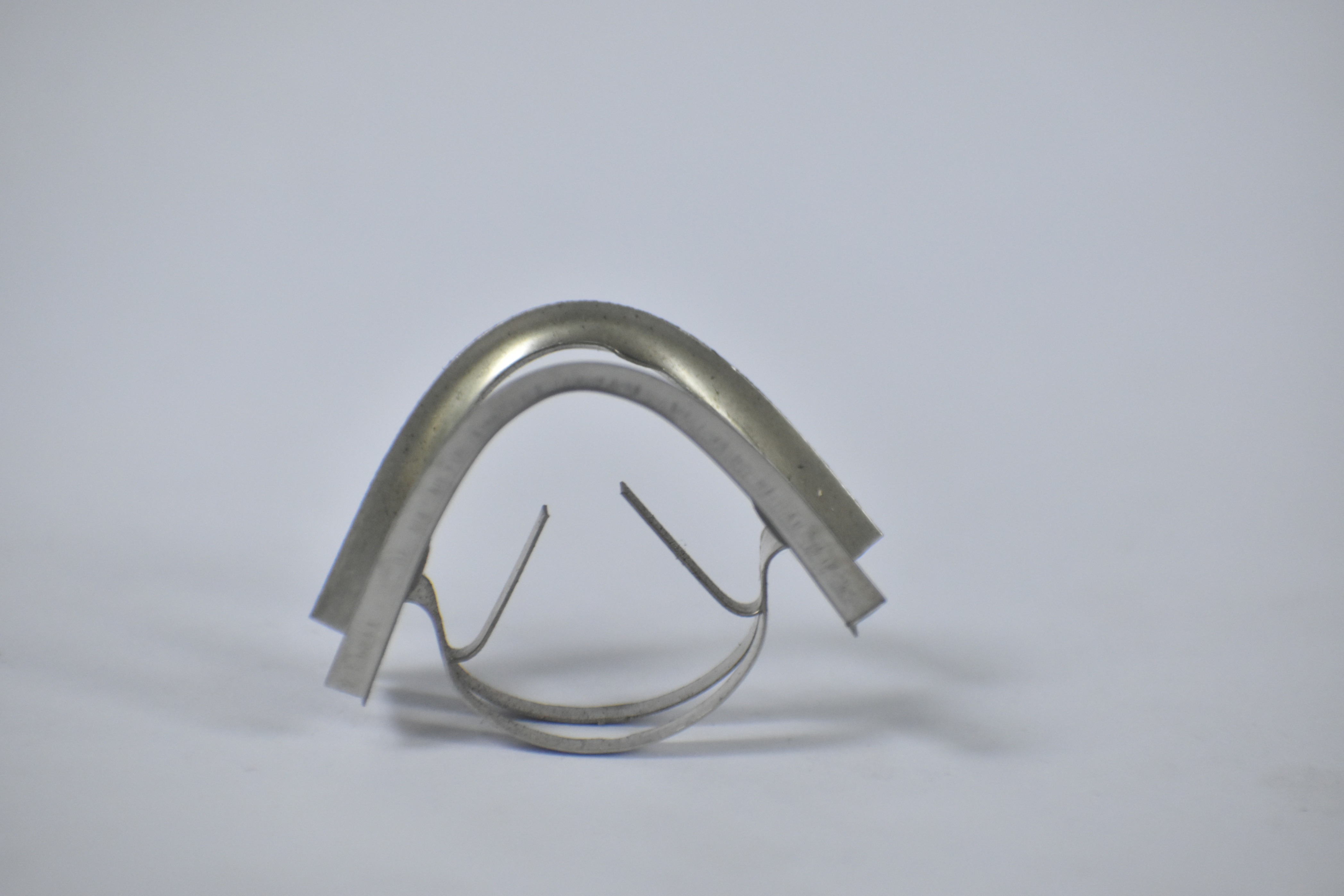
Bridging the Gap Between Cost and Performance: Sourcing from India’s Premier Duplex 2205 Intalox Saddle Manufacturer In high-capacity oil and gas processing hubs, petrochemical fractionation columns, and severe maritime distillation operations, selecting the correct random tower packing geometry and metallurgy is a high-stakes engineering decision. Packed beds managing aggressive process fluids—such as sour crude fractions, brackish wastewater streams, or hot organic acids rich in halides—rapidly push standard metals to their failure limits. When exposed to high-stress, chloride-rich environments, conventional austenitic stainless steels like SS 316L often succumb to localized pitting and rapid Chloride Stress Corrosion Cracking (SCC). Conversely, completely pivoting to high-nickel superalloys or exotic metals like Titanium introduces a massive spike in upfront project expenditure (CAPEX). For plant operations managers, process engineers, and technical procurement directors seeking a metallurgical and geometric sweet spot—near-absolute resistance to chloride-induced stress corrosion cracking combined with extreme mechanical strength, all at a fraction of the cost of exotic superalloys—Duplex 2205 Intalox Style Saddles represent the global standard for high-performance debottlenecking. As an ISO-compliant, factory-direct manufacturer and global exporter based in India, Aera Engineering Pvt. Ltd. designs, tools, and progressive-stamps an elite portfolio of Duplex 2205 Intalox Saddles (marketed as Aera Saddles). Operating from our advanced manufacturing infrastructure hub in Por, Vadodara, Gujarat, we maintain complete internal control over raw coil validation, high-tonnage automated presses, and precise surface conditioning to deliver exceptionally durable, corrosion-immune random tower packings straight to your job site. 1. The Hydraulic Architecture of the Intalox Saddle Geometry The Intalox Metal Tower Packing (IMTP) style saddle represents a significant geometric evolution over classic, solid-walled cylindrical rings. While legacy rings rely on rigid vertical walls that block rising vapors, the saddle architecture utilizes an open-arc curved design supplemented with strategically punched windows, flanged edges, and internal tabs or fingers that project inward toward the core of the element. Classic Random Rings ───► Rigid Walls ───► High Drag & Nesting ───► Early Tower Flooding Duplex 2205 Saddles ───► Open Arcs ───► ~98% Void Fraction ───► Low Drag & Lower HETP This structural format entirely transforms the internal fluid mechanics of a packed column bed: Complete Shield Against Element Nesting: Deep packed beds exert thousands of kilograms of static downward weight on the lower packing layers. In smooth-backed legacy packings, elements easily slide, interlock, or stack inside one another over time under this weight—a phenomenon known as element nesting. Nesting compresses the internal bed, chokes vapor pathways, and forces descending fluids exclusively down the column shell (liquid channeling). This starves the core of your bed, triggers premature column flooding, and ruins component separation purity. The interlocking curvature and flanged profiles of our saddles provide extreme structural rigidity, preventing interlocking and preserving an optimized, perfectly randomized void matrix (95 to $98% free volume). Significant Reduction in Operating Pressure Drop (dP): Vapors pass through smooth, uniform aerodynamic pathways rather than encountering a rigid physical barrier. This minimal resistance to flow allows chemical facilities to run downsized utility blowers and vacuum compressors, translating into immediate utility energy savings (OPEX). Persistent Phase Renewal: As your descending liquid solvent trickles down through the bed, the internal tabs act as continuous, high-frequency fluid disruptors. They constantly slice and shear the liquid film into ultra-thin, highly turbulent sheets. This continuous surface renewal maximizes gas-liquid contact kinetics and drastically lowers the column's HETP (Height Equivalent to a Theoretical Plate). 2. Advanced Material Engineering: The Duplex 2205 Shield While geometry governs column hydraulics, your material of construction (MOC) dictates long-term hardware survival and plant validation audits. For process environments where standard stainless steels face rapid corrosive failure and other alloys are structurally prone to deformation, Duplex 2205 (UNS S32205 / S31803) stands as the ultimate defense shield. Duplex 2205 possesses a unique, optimized microstructure composed of a roughly equal 50:50 balance of Austenitic and Ferritic steel grains. This dual-phase metallurgical engineering supplies crucial operational benefits: Virtual Immunity to Chloride Stress Corrosion Cracking (SCC) Chloride SCC is the primary failure mode for standard austenitic stainless steels (like SS 304L or SS 316L) inside commercial towers operating near coastal regions or managing high-salinity process streams. The ferritic phase within Duplex 2205 actively disrupts and blocks stress corrosion crack propagation, providing near-absolute immunity to SCC. Twice the Tensile and Yield Strength of Austenitic Steels In deep packed beds, the packing elements at the lower levels carry thousands of kilograms of static downward weight. Standard, softer metals can slowly deform or flatten over time under these massive static loads, causing element nesting and premature column flooding. Duplex 2205 possesses roughly twice the yield strength of standard SS 316L. This extreme mechanical integrity allows us to optimize wall thicknesses while guaranteeing that the elements will not compress or flatten under deep vertical static bed loads. Elite Pitting Resistance Equivalent Number (PREN) Fortified with a robust chemistry comprising roughly 22% Chromium, 5% Nickel, 3% Molybdenum, and 0.18% Nitrogen, Duplex 2205 boasts a high PREN value (>35). This translates to exceptional defense against localized micro-scale pitting and crevice corrosion in acidic, high-temperature, and halide-rich chemical environments. 3. Advanced Tooling Control: Preventing Material Fissures When purchasing high-volume bulk quantities of random packing in high-strength alloys, a critical supply chain pitfall is sourcing through regional brokers or fragmented distributors who outsource their stamping lines across inconsistent vendors. Duplex 2205 is an exceptionally strong, hard metal that work-hardens rapidly during mechanical forming. Cold-stamping this high-strength material into the complex curvatures of an Intalox-style saddle requires specialized progressive tooling configurations and exact mechanical press calibrations. Using generic or worn stamping tools creates micro-fissures, jagged edges, and wall thin-out along the punched windows of the saddle. Under continuous exposure to aggressive process chemicals, these micro-fissures act as localized corrosion zones, accelerating mechanical collapse and causing early bed compaction. To eliminate this operational risk, Aera Engineering Pvt. Ltd. controls 100% of its progressive stamping lines and tooling matrices internally. We utilize high-speed progressive automated presses to cold-stamp raw metal coils into perfectly uniform saddle shapes. This internal production control guarantees that every element—whether in a small batch or a multi-ton bulk consignment—exhibits absolute dimensional uniformity, preventing nesting and maximizing your column's throughput ceiling. Sourcing Range & Technical Parameters We manufacture and supply Duplex 2205 Intalox Saddles (Aera Saddles) across multiple standard industrial dimensions to fit your column's specific vapor-liquid ratios and volumetric velocity designs: Nominal Sizing Specific Surface Area (m2/m3) Free Volume Matrix (%) Approximate Bulk Density (kg/m3) Aera Saddle 15 sim 275 96.7 sim 263 Aera Saddle 25 sim 344 95.5 sim 192 Aera Saddle 40 sim 151 98.1 sim 146 Aera Saddle 50 sim 97 98.3 sim 135 Aera Saddle 70 sim 61 98.7 sim 106 Primary Applications Across Core Processing Segments Our premium Duplex 2205 Intalox Saddles are systematically integrated into units where high mechanical integrity and premium chloride defense are required: Oil and Gas Sour Crude Fractionators: Handling sour gas streams, high-temperature amine absorption loops, and aggressive hydrocarbon separation towers with zero sulfide stress cracking risk. Marine & Offshore Desalination Units: Operating dependably inside vacuum distillation blocks, coastal gas scrubbers, and high-salinity brine strippers continuously exposed to marine chlorides. Petrochemical and Agrochemical Production: Managing organic intermediate distillations, volatile halide purification blocks, and multi-stage fatty acid fractionations. Wastewater Air Stripping Towers: Purging volatile organic compounds (VOCs), hydrogen sulfide (H_2SO_4), and aggressive industrial contaminants from wastewater lines before safe environmental discharge. Sourcing Value Matrix: Factory-Direct Manufacturer vs. Broker Networks Sourcing Parameter Regional Sourcing Brokers Aera Engineering Pvt. Ltd. Supply Chain Pathway Multi-tier networks and local trading agents; markups apply. 100% Factory-Direct Manufacturer (Bypasses intermediate markups). Tooling & Mechanical Control Often outsourced to shifting low-cost vendors using standard steel dies. Internal Tooling Control via progressive dies explicitly optimized for Duplex alloys. Material Verification Component-level checking; fragmented or missing paperwork. Full MTC, PMI, and Heat Traceability across every element batch. Surface Conditioning Basic sorting; presence of oils, burrs, or mechanical scales. Ultrasonic Hot Degreasing & Vibratory Deburring across all items. Logistics Cargo Defense Minimal bulk container dumping or basic bagging. Heavy-Duty Box Palletization with Sea-Worthy Shrink-Wrapping. Secure Logistics and Transit Protection Tower packing elements feature delicate geometric wall profiles that are highly sensitive to physical deformation and marine salt spray during transit. Loose container dumping or basic bagging can lead to crushed profiles, altering the bed's void fraction post-installation. To eliminate transit failure points across our global supply chains, Aera Engineering applies a rigorous packaging protocol. All bulk random packing batches are securely packed inside export-worthy, heavy-duty boxes, tightly secured on sturdy wooden pallets, and thoroughly shrink-wrapped with moisture-barrier film to seal out weather-related moisture and ambient salinity. Whether supplying regional chemical clusters in Dahej, Por GIDC, and Ankleshwar, or executing international shipments from high-capacity Indian maritime export hubs—such as Mundra Port or Nhava Sheva (JNPT)—we guarantee that your high-value mechanical investment arrives at your facility in pristine geometric condition, fully cleared and ready for immediate deployment. All shipments are paired with a comprehensive validation data pack, including traceable Mill Test Certificates (MTC), Positive Material Identification (PMI) logs, and raw material heat numbers for seamless quality clearance. Partner with Aera Engineering Pvt. Ltd. Achieving razor-thin process tolerances, expanding volumetric throughput, and lowering capital layouts (CAPEX) demands a column internals partner fully committed to absolute material verification, precision tracking, and factory-direct value. By working directly with a primary Indian manufacturer and supplier rather than a multi-tier trading broker, your procurement team completely eliminates middle-tier agent markups, optimizing your overall project balance. Partner with Aera Engineering Pvt. Ltd., based in the heavy engineering capital of Vadodara, Gujarat, India, to optimize your next plant turnaround, debottleneck an underperforming mass transfer column, or design a severe-service separation tower from the ground up. Optimize Your Column Capacity Today Let our engineering specialists assist you in minimizing column pressure drops and boosting processing capacity. Contact our technical sales division today for detailed sizing logs, engineering data charts, or a direct commercial proposal tailored to your specific project parameters. Corporate Website: www.aeraepl.com / www.randomtowerpacking.com Official Inquiries: tanish@aeraepl.com / info@randomtowerpacking.com Direct Hotline: +91 97377 73751 Manufacturing Hub: Shed No - 75, Aatmiya Brookfieldz Industrial Park, Por, Vadodara, Gujarat, India - 391243


This is your website preview.
Currently it only shows your basic business info. Start adding relevant business details such as description, images and products or services to gain your customers attention by using Boost 360 android app / iOS App / web portal.
Duplex 2205 Intalox Saddle Manufacturer in India
2026-06-15T11:00:16
Bridging the Gap Between Cost and Performance: Sourcing from India’s Premier Duplex 2205 Intalox Saddle Manufacturer In high-capacity oil and gas processing hubs, petrochemical fractionation columns, and severe maritime distillation operations, selecting the correct random tower packing geometry and metallurgy is a high-stakes engineering decision. Packed beds managing aggressive process fluids—such as sour crude fractions, brackish wastewater streams, or hot organic acids rich in halides—rapidly push standard metals to their failure limits. When exposed to high-stress, chloride-rich environments, conventional austenitic stainless steels like SS 316L often succumb to localized pitting and rapid Chloride Stress Corrosion Cracking (SCC). Conversely, completely pivoting to high-nickel superalloys or exotic metals like Titanium introduces a massive spike in upfront project expenditure (CAPEX). For plant operations managers, process engineers, and technical procurement directors seeking a metallurgical and geometric sweet spot—near-absolute resistance to chloride-induced stress corrosion cracking combined with extreme mechanical strength, all at a fraction of the cost of exotic superalloys—Duplex 2205 Intalox Style Saddles represent the global standard for high-performance debottlenecking. As an ISO-compliant, factory-direct manufacturer and global exporter based in India, Aera Engineering Pvt. Ltd. designs, tools, and progressive-stamps an elite portfolio of Duplex 2205 Intalox Saddles (marketed as Aera Saddles). Operating from our advanced manufacturing infrastructure hub in Por, Vadodara, Gujarat, we maintain complete internal control over raw coil validation, high-tonnage automated presses, and precise surface conditioning to deliver exceptionally durable, corrosion-immune random tower packings straight to your job site. 1. The Hydraulic Architecture of the Intalox Saddle Geometry The Intalox Metal Tower Packing (IMTP) style saddle represents a significant geometric evolution over classic, solid-walled cylindrical rings. While legacy rings rely on rigid vertical walls that block rising vapors, the saddle architecture utilizes an open-arc curved design supplemented with strategically punched windows, flanged edges, and internal tabs or fingers that project inward toward the core of the element. Classic Random Rings ───► Rigid Walls ───► High Drag & Nesting ───► Early Tower Flooding Duplex 2205 Saddles ───► Open Arcs ───► ~98% Void Fraction ───► Low Drag & Lower HETP This structural format entirely transforms the internal fluid mechanics of a packed column bed: Complete Shield Against Element Nesting: Deep packed beds exert thousands of kilograms of static downward weight on the lower packing layers. In smooth-backed legacy packings, elements easily slide, interlock, or stack inside one another over time under this weight—a phenomenon known as element nesting. Nesting compresses the internal bed, chokes vapor pathways, and forces descending fluids exclusively down the column shell (liquid channeling). This starves the core of your bed, triggers premature column flooding, and ruins component separation purity. The interlocking curvature and flanged profiles of our saddles provide extreme structural rigidity, preventing interlocking and preserving an optimized, perfectly randomized void matrix (95 to $98% free volume). Significant Reduction in Operating Pressure Drop (dP): Vapors pass through smooth, uniform aerodynamic pathways rather than encountering a rigid physical barrier. This minimal resistance to flow allows chemical facilities to run downsized utility blowers and vacuum compressors, translating into immediate utility energy savings (OPEX). Persistent Phase Renewal: As your descending liquid solvent trickles down through the bed, the internal tabs act as continuous, high-frequency fluid disruptors. They constantly slice and shear the liquid film into ultra-thin, highly turbulent sheets. This continuous surface renewal maximizes gas-liquid contact kinetics and drastically lowers the column's HETP (Height Equivalent to a Theoretical Plate). 2. Advanced Material Engineering: The Duplex 2205 Shield While geometry governs column hydraulics, your material of construction (MOC) dictates long-term hardware survival and plant validation audits. For process environments where standard stainless steels face rapid corrosive failure and other alloys are structurally prone to deformation, Duplex 2205 (UNS S32205 / S31803) stands as the ultimate defense shield. Duplex 2205 possesses a unique, optimized microstructure composed of a roughly equal 50:50 balance of Austenitic and Ferritic steel grains. This dual-phase metallurgical engineering supplies crucial operational benefits: Virtual Immunity to Chloride Stress Corrosion Cracking (SCC) Chloride SCC is the primary failure mode for standard austenitic stainless steels (like SS 304L or SS 316L) inside commercial towers operating near coastal regions or managing high-salinity process streams. The ferritic phase within Duplex 2205 actively disrupts and blocks stress corrosion crack propagation, providing near-absolute immunity to SCC. Twice the Tensile and Yield Strength of Austenitic Steels In deep packed beds, the packing elements at the lower levels carry thousands of kilograms of static downward weight. Standard, softer metals can slowly deform or flatten over time under these massive static loads, causing element nesting and premature column flooding. Duplex 2205 possesses roughly twice the yield strength of standard SS 316L. This extreme mechanical integrity allows us to optimize wall thicknesses while guaranteeing that the elements will not compress or flatten under deep vertical static bed loads. Elite Pitting Resistance Equivalent Number (PREN) Fortified with a robust chemistry comprising roughly 22% Chromium, 5% Nickel, 3% Molybdenum, and 0.18% Nitrogen, Duplex 2205 boasts a high PREN value (>35). This translates to exceptional defense against localized micro-scale pitting and crevice corrosion in acidic, high-temperature, and halide-rich chemical environments. 3. Advanced Tooling Control: Preventing Material Fissures When purchasing high-volume bulk quantities of random packing in high-strength alloys, a critical supply chain pitfall is sourcing through regional brokers or fragmented distributors who outsource their stamping lines across inconsistent vendors. Duplex 2205 is an exceptionally strong, hard metal that work-hardens rapidly during mechanical forming. Cold-stamping this high-strength material into the complex curvatures of an Intalox-style saddle requires specialized progressive tooling configurations and exact mechanical press calibrations. Using generic or worn stamping tools creates micro-fissures, jagged edges, and wall thin-out along the punched windows of the saddle. Under continuous exposure to aggressive process chemicals, these micro-fissures act as localized corrosion zones, accelerating mechanical collapse and causing early bed compaction. To eliminate this operational risk, Aera Engineering Pvt. Ltd. controls 100% of its progressive stamping lines and tooling matrices internally. We utilize high-speed progressive automated presses to cold-stamp raw metal coils into perfectly uniform saddle shapes. This internal production control guarantees that every element—whether in a small batch or a multi-ton bulk consignment—exhibits absolute dimensional uniformity, preventing nesting and maximizing your column's throughput ceiling. Sourcing Range & Technical Parameters We manufacture and supply Duplex 2205 Intalox Saddles (Aera Saddles) across multiple standard industrial dimensions to fit your column's specific vapor-liquid ratios and volumetric velocity designs: Nominal Sizing Specific Surface Area (m2/m3) Free Volume Matrix (%) Approximate Bulk Density (kg/m3) Aera Saddle 15 sim 275 96.7 sim 263 Aera Saddle 25 sim 344 95.5 sim 192 Aera Saddle 40 sim 151 98.1 sim 146 Aera Saddle 50 sim 97 98.3 sim 135 Aera Saddle 70 sim 61 98.7 sim 106 Primary Applications Across Core Processing Segments Our premium Duplex 2205 Intalox Saddles are systematically integrated into units where high mechanical integrity and premium chloride defense are required: Oil and Gas Sour Crude Fractionators: Handling sour gas streams, high-temperature amine absorption loops, and aggressive hydrocarbon separation towers with zero sulfide stress cracking risk. Marine & Offshore Desalination Units: Operating dependably inside vacuum distillation blocks, coastal gas scrubbers, and high-salinity brine strippers continuously exposed to marine chlorides. Petrochemical and Agrochemical Production: Managing organic intermediate distillations, volatile halide purification blocks, and multi-stage fatty acid fractionations. Wastewater Air Stripping Towers: Purging volatile organic compounds (VOCs), hydrogen sulfide (H_2SO_4), and aggressive industrial contaminants from wastewater lines before safe environmental discharge. Sourcing Value Matrix: Factory-Direct Manufacturer vs. Broker Networks Sourcing Parameter Regional Sourcing Brokers Aera Engineering Pvt. Ltd. Supply Chain Pathway Multi-tier networks and local trading agents; markups apply. 100% Factory-Direct Manufacturer (Bypasses intermediate markups). Tooling & Mechanical Control Often outsourced to shifting low-cost vendors using standard steel dies. Internal Tooling Control via progressive dies explicitly optimized for Duplex alloys. Material Verification Component-level checking; fragmented or missing paperwork. Full MTC, PMI, and Heat Traceability across every element batch. Surface Conditioning Basic sorting; presence of oils, burrs, or mechanical scales. Ultrasonic Hot Degreasing & Vibratory Deburring across all items. Logistics Cargo Defense Minimal bulk container dumping or basic bagging. Heavy-Duty Box Palletization with Sea-Worthy Shrink-Wrapping. Secure Logistics and Transit Protection Tower packing elements feature delicate geometric wall profiles that are highly sensitive to physical deformation and marine salt spray during transit. Loose container dumping or basic bagging can lead to crushed profiles, altering the bed's void fraction post-installation. To eliminate transit failure points across our global supply chains, Aera Engineering applies a rigorous packaging protocol. All bulk random packing batches are securely packed inside export-worthy, heavy-duty boxes, tightly secured on sturdy wooden pallets, and thoroughly shrink-wrapped with moisture-barrier film to seal out weather-related moisture and ambient salinity. Whether supplying regional chemical clusters in Dahej, Por GIDC, and Ankleshwar, or executing international shipments from high-capacity Indian maritime export hubs—such as Mundra Port or Nhava Sheva (JNPT)—we guarantee that your high-value mechanical investment arrives at your facility in pristine geometric condition, fully cleared and ready for immediate deployment. All shipments are paired with a comprehensive validation data pack, including traceable Mill Test Certificates (MTC), Positive Material Identification (PMI) logs, and raw material heat numbers for seamless quality clearance. Partner with Aera Engineering Pvt. Ltd. Achieving razor-thin process tolerances, expanding volumetric throughput, and lowering capital layouts (CAPEX) demands a column internals partner fully committed to absolute material verification, precision tracking, and factory-direct value. By working directly with a primary Indian manufacturer and supplier rather than a multi-tier trading broker, your procurement team completely eliminates middle-tier agent markups, optimizing your overall project balance. Partner with Aera Engineering Pvt. Ltd., based in the heavy engineering capital of Vadodara, Gujarat, India, to optimize your next plant turnaround, debottleneck an underperforming mass transfer column, or design a severe-service separation tower from the ground up. Optimize Your Column Capacity Today Let our engineering specialists assist you in minimizing column pressure drops and boosting processing capacity. Contact our technical sales division today for detailed sizing logs, engineering data charts, or a direct commercial proposal tailored to your specific project parameters. Corporate Website: www.aeraepl.com / www.randomtowerpacking.com Official Inquiries: tanish@aeraepl.com / info@randomtowerpacking.com Direct Hotline: +91 97377 73751 Manufacturing Hub: Shed No - 75, Aatmiya Brookfieldz Industrial Park, Por, Vadodara, Gujarat, India - 391243
2026-06-15T11:00:16


Submit Your Enquiry