
Step-by-Step Logistics Guide: How to Import Tower Packing from India to Vietnam In high-severity chemical synthesis, oil refining, and gas processing corridors across Vietnam—from the high-capacity complexes at Nghi Son and Dung Quat to the fast-expanding industrial zones of Binh Duong, Dong Nai, and Bac Ninh—plant turnarounds operate under razor-thin schedules. When a fractionator, gas sweetening absorber, or emissions scrubber is down for scheduled maintenance or debottlenecking, any logistics delay translates into lost operational revenue (OPEX). Sourcing high-performance mass transfer media like random tower packing, structured packing, and column internals from a primary manufacturing hub is an effective way to optimize your project's capital layout (CAPEX). India has emerged as a premier global manufacturing exporter of column hardware, blending advanced engineering tolerances with direct factory value. For project procurement managers, turnaround coordinators, and process engineers across Vietnam, this operational guide outlines the end-to-end process of how to import tower packing from India to Vietnam smoothly, securely, and with zero customs delays. Step 1: Technical Alignment and Tooling Verification A successful import cycle begins long before the cargo reaches the port. It relies on strict technical alignment between your plant's process engineering parameters and the exporter's manufacturing tooling. When importing random packings like Pall Rings or Intalox Metal Saddles, ensure your supplier controls 100% of their progressive stamping dies and manufacturing infrastructure internally. Minor deviations in sheet metal stampings can introduce a critical failure mode inside your vertical column shell: Element Nesting. Under the immense static downward load of deep beds, inconsistently sized rings or saddles can slide and interlock inside one another. This compresses the bed, chokes vapor pathways, and forces descending fluids exclusively down the column walls (liquid channeling), causing premature tower flooding. Sourcing from a manufacturer with rigorous internal tooling control ensures absolute dimensional uniformity across every element, preserving an optimized, perfectly randomized void matrix. Step 2: Enforcing Metallurgical Traceability for Coastal Conditions Many of Vietnam's vital processing arrays are situated in coastal industrial economic zones where portside ambient air is rich in marine chlorides. When brackish process water or ambient coastal moisture interacts with unverified metals, it triggers rapid micro-scale pitting, crevice corrosion, and stress corrosion cracking. To safeguard your plant validation audit, your Indian exporting partner must provide a comprehensive, audit-ready validation data pack matching your specific process environment: Raw Material Heat Numbers & Mill Test Certificates (MTC): Ensuring full chemical composition traceability back to the primary steel coil source. Positive Material Identification (PMI) Verification Logs: Non-destructive X-ray fluorescence (XRF) analysis executed on the finished packing elements to verify exact alloy formulations (e.g., confirming the 2–3% Molybdenum requirement in Stainless Steel 316L to resist chloride pitting). Pristine Surface Conditioning: Confirming that all metallic packings undergo thorough mechanical deburring and industrial ultrasonic hot degreasing washes. This strips away residual stamping lubricants, creating a chemically clean, high-affinity surface that encourages instant, uniform liquid wetting upon column startup. Step 3: Sea-Worthy Preservation Packing and Anti-Saline Protocol Tower packing elements and corrugated structured blocks feature delicate geometric wall profiles (ranging from 0.2 mm to 1.0 mm) that are highly sensitive to physical deformation and marine salt spray during long ocean transits. Loose container dumping or standard bagging can lead to crushed elements, altering the bed's void fraction and causing liquid channeling post-installation. Ensure your Indian supplier enforces a specialized sea-worthy preservation protocol across the shipping pipeline: Heavy-Duty Reinforced Box Palletization: Packing elements securely inside export-worthy, heavy-duty boxes reinforced with steel strapping to prevent crushing from vertical stacking pressures inside the shipping container. Moisture-Barrier Shrink Wrapping: Wrapping all pallets thoroughly with high-durability plastic film to completely isolate the metallic surfaces from high-salinity marine humidity during ocean transit. Step 4: Strategic Maritime Routing to Vietnam’s Key Gateways Sourcing factory-direct out of India’s premier, high-capacity maritime hubs—such as Mundra Port or Nhava Sheva (JNPT)—allows for efficient, reliable ocean freight routes straight to Vietnam under multiple flexible commercial formats, including FOB, CIF, or DDU/DDP. To minimize internal transit overheads and domestic freight costs within Vietnam, systematically map your shipments directly to your regional maritime gateway: Ho Chi Minh City Port (Cat Lai): Sourced directly for southern industrial networks spanning Binh Duong, Dong Nai, and Long An. Hai Phong Port: Routed for northern electronics, fine chemical, and synthetic agro-chemical manufacturing hubs across Bac Ninh and Hai Duong. Da Nang Port: Dispatched straight to central regional energy blocks and downstream refinery operations. Step 5: Clearance-Ready Regulatory Documentation Administrative friction at customs checkpoints can disrupt tight turnaround windows. To ensure zero delays when the vessel arrives at the Vietnamese port, your Indian exporting partner should prepare and dispatch all regulatory paperwork well in advance. The standard import documentation kit required for customs clearance in Vietnam includes: Clean, Master Bills of Lading (B/L) Precise Commercial Invoices cross-referenced with your corporate purchase order (PO). Detailed Packing Lists specifying crate-level volume, gross weights, and net weights. Official Certificates of Origin (COO) to facilitate smooth regional importation and ensure compliance with bilateral tariff frameworks. Full Mill Test Certificates (MTC) and PMI Verification Logs for immediate handover to your plant's safety and quality assurance inspectors. Sourcing Value Matrix: Factory-Direct vs. Fragmented Broker Networks Import Parameter Fragmented Sourcing Brokers Aera Engineering Pvt. Ltd. Supply Chain Pathway Multi-tier networks and local trading agents. 100% Factory-Direct (Bypasses intermediary markups). Tooling & Mechanical Control Often outsourced to shifting low-cost vendors. Internal Tooling Control (Ensures strict anti-nesting profiles). Material Verification Component-level checking; fragmented paperwork. Full MTC, PMI, and Heat Traceability across every element batch. Surface Conditioning Basic sorting; presence of oils or burrs. Ultrasonic Hot Degreasing & Vibratory Deburring across all items. Logistics Cargo Defense Minimal bulk container dumping or basic bagging. Heavy-Duty Box Palletization with Sea-Worthy Shrink-Wrapping. Partner with Aera Engineering Pvt. Ltd. Achieving razor-thin process tolerances, expanding volumetric throughput, and lowering capital layouts (CAPEX) demands an international column internals partner fully committed to absolute material verification, precision manufacturing, and flawless logistical execution. As a certified, factory-direct manufacturer and leading exporter, Aera Engineering Pvt. Ltd. provides process industries across Vietnam with a streamlined, direct import pipeline from our advanced manufacturing hub in Por, Vadodara, Gujarat, straight to your job site. Optimize Your Sourcing Pipeline Today Let our engineering and logistics specialists assist you in minimizing column pressure drops, securing material compliance, and organizing a zero-delay delivery for your next turnaround. Contact our technical sales division today for detailed sizing logs, shipping lead times, or a direct commercial proposal tailored to your project criteria. Corporate Website: www.aeraepl.com / www.randomtowerpacking.com Official Inquiries: tanish@aeraepl.com / info@randomtowerpacking.com Direct Hotline: +91 97377 73751 Manufacturing Hub: Shed No - 75, Aatmiya Brookfieldz Industrial Park, Por, Vadodara, Gujarat, India - 391243


This is your website preview.
Currently it only shows your basic business info. Start adding relevant business details such as description, images and products or services to gain your customers attention by using Boost 360 android app / iOS App / web portal.
How to Import Tower Packing from India to Vietnam
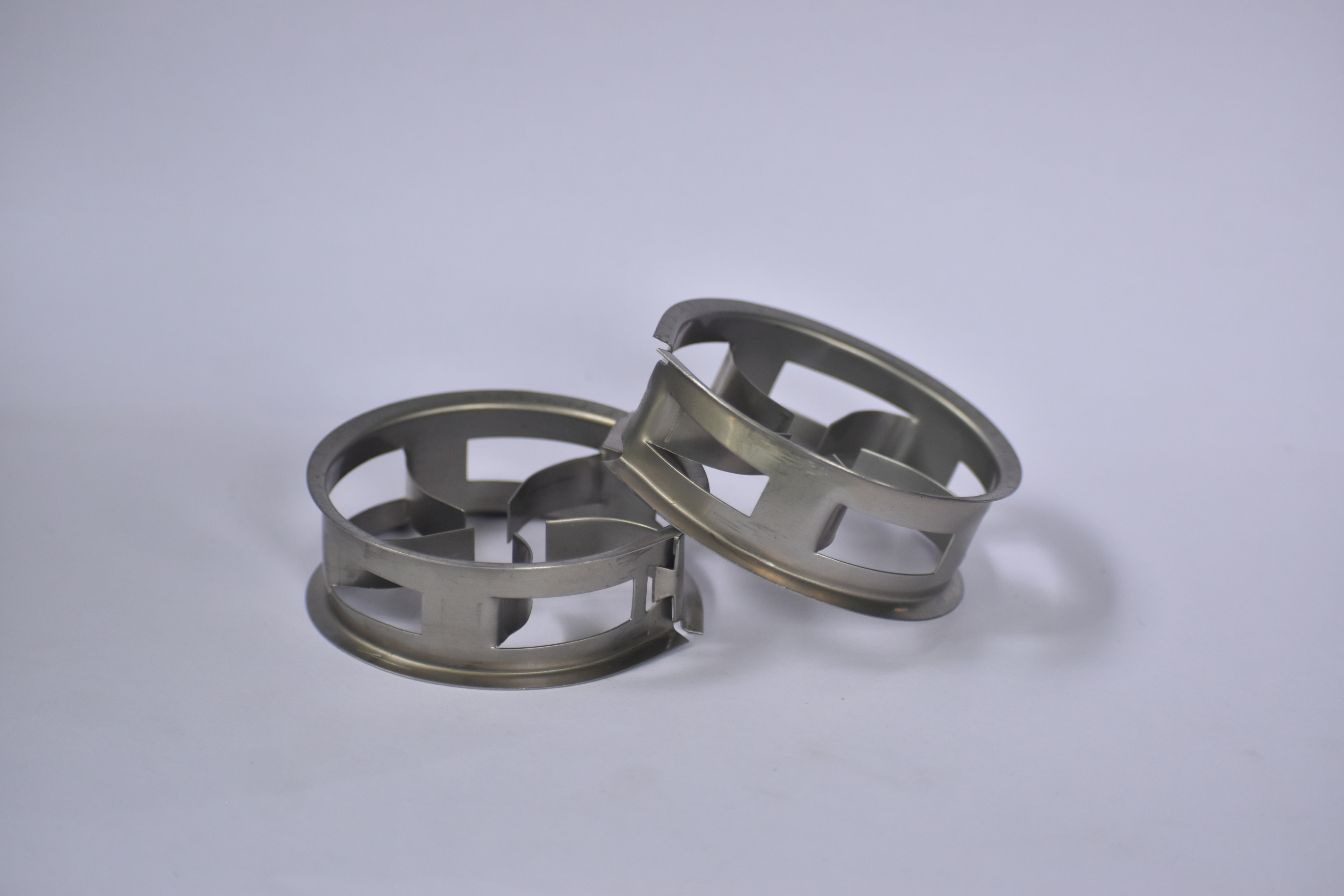
2026-06-11T09:00:17
Step-by-Step Logistics Guide: How to Import Tower Packing from India to Vietnam In high-severity chemical synthesis, oil refining, and gas processing corridors across Vietnam—from the high-capacity complexes at Nghi Son and Dung Quat to the fast-expanding industrial zones of Binh Duong, Dong Nai, and Bac Ninh—plant turnarounds operate under razor-thin schedules. When a fractionator, gas sweetening absorber, or emissions scrubber is down for scheduled maintenance or debottlenecking, any logistics delay translates into lost operational revenue (OPEX). Sourcing high-performance mass transfer media like random tower packing, structured packing, and column internals from a primary manufacturing hub is an effective way to optimize your project's capital layout (CAPEX). India has emerged as a premier global manufacturing exporter of column hardware, blending advanced engineering tolerances with direct factory value. For project procurement managers, turnaround coordinators, and process engineers across Vietnam, this operational guide outlines the end-to-end process of how to import tower packing from India to Vietnam smoothly, securely, and with zero customs delays. Step 1: Technical Alignment and Tooling Verification A successful import cycle begins long before the cargo reaches the port. It relies on strict technical alignment between your plant's process engineering parameters and the exporter's manufacturing tooling. When importing random packings like Pall Rings or Intalox Metal Saddles, ensure your supplier controls 100% of their progressive stamping dies and manufacturing infrastructure internally. Minor deviations in sheet metal stampings can introduce a critical failure mode inside your vertical column shell: Element Nesting. Under the immense static downward load of deep beds, inconsistently sized rings or saddles can slide and interlock inside one another. This compresses the bed, chokes vapor pathways, and forces descending fluids exclusively down the column walls (liquid channeling), causing premature tower flooding. Sourcing from a manufacturer with rigorous internal tooling control ensures absolute dimensional uniformity across every element, preserving an optimized, perfectly randomized void matrix. Step 2: Enforcing Metallurgical Traceability for Coastal Conditions Many of Vietnam's vital processing arrays are situated in coastal industrial economic zones where portside ambient air is rich in marine chlorides. When brackish process water or ambient coastal moisture interacts with unverified metals, it triggers rapid micro-scale pitting, crevice corrosion, and stress corrosion cracking. To safeguard your plant validation audit, your Indian exporting partner must provide a comprehensive, audit-ready validation data pack matching your specific process environment: Raw Material Heat Numbers & Mill Test Certificates (MTC): Ensuring full chemical composition traceability back to the primary steel coil source. Positive Material Identification (PMI) Verification Logs: Non-destructive X-ray fluorescence (XRF) analysis executed on the finished packing elements to verify exact alloy formulations (e.g., confirming the 2–3% Molybdenum requirement in Stainless Steel 316L to resist chloride pitting). Pristine Surface Conditioning: Confirming that all metallic packings undergo thorough mechanical deburring and industrial ultrasonic hot degreasing washes. This strips away residual stamping lubricants, creating a chemically clean, high-affinity surface that encourages instant, uniform liquid wetting upon column startup. Step 3: Sea-Worthy Preservation Packing and Anti-Saline Protocol Tower packing elements and corrugated structured blocks feature delicate geometric wall profiles (ranging from 0.2 mm to 1.0 mm) that are highly sensitive to physical deformation and marine salt spray during long ocean transits. Loose container dumping or standard bagging can lead to crushed elements, altering the bed's void fraction and causing liquid channeling post-installation. Ensure your Indian supplier enforces a specialized sea-worthy preservation protocol across the shipping pipeline: Heavy-Duty Reinforced Box Palletization: Packing elements securely inside export-worthy, heavy-duty boxes reinforced with steel strapping to prevent crushing from vertical stacking pressures inside the shipping container. Moisture-Barrier Shrink Wrapping: Wrapping all pallets thoroughly with high-durability plastic film to completely isolate the metallic surfaces from high-salinity marine humidity during ocean transit. Step 4: Strategic Maritime Routing to Vietnam’s Key Gateways Sourcing factory-direct out of India’s premier, high-capacity maritime hubs—such as Mundra Port or Nhava Sheva (JNPT)—allows for efficient, reliable ocean freight routes straight to Vietnam under multiple flexible commercial formats, including FOB, CIF, or DDU/DDP. To minimize internal transit overheads and domestic freight costs within Vietnam, systematically map your shipments directly to your regional maritime gateway: Ho Chi Minh City Port (Cat Lai): Sourced directly for southern industrial networks spanning Binh Duong, Dong Nai, and Long An. Hai Phong Port: Routed for northern electronics, fine chemical, and synthetic agro-chemical manufacturing hubs across Bac Ninh and Hai Duong. Da Nang Port: Dispatched straight to central regional energy blocks and downstream refinery operations. Step 5: Clearance-Ready Regulatory Documentation Administrative friction at customs checkpoints can disrupt tight turnaround windows. To ensure zero delays when the vessel arrives at the Vietnamese port, your Indian exporting partner should prepare and dispatch all regulatory paperwork well in advance. The standard import documentation kit required for customs clearance in Vietnam includes: Clean, Master Bills of Lading (B/L) Precise Commercial Invoices cross-referenced with your corporate purchase order (PO). Detailed Packing Lists specifying crate-level volume, gross weights, and net weights. Official Certificates of Origin (COO) to facilitate smooth regional importation and ensure compliance with bilateral tariff frameworks. Full Mill Test Certificates (MTC) and PMI Verification Logs for immediate handover to your plant's safety and quality assurance inspectors. Sourcing Value Matrix: Factory-Direct vs. Fragmented Broker Networks Import Parameter Fragmented Sourcing Brokers Aera Engineering Pvt. Ltd. Supply Chain Pathway Multi-tier networks and local trading agents. 100% Factory-Direct (Bypasses intermediary markups). Tooling & Mechanical Control Often outsourced to shifting low-cost vendors. Internal Tooling Control (Ensures strict anti-nesting profiles). Material Verification Component-level checking; fragmented paperwork. Full MTC, PMI, and Heat Traceability across every element batch. Surface Conditioning Basic sorting; presence of oils or burrs. Ultrasonic Hot Degreasing & Vibratory Deburring across all items. Logistics Cargo Defense Minimal bulk container dumping or basic bagging. Heavy-Duty Box Palletization with Sea-Worthy Shrink-Wrapping. Partner with Aera Engineering Pvt. Ltd. Achieving razor-thin process tolerances, expanding volumetric throughput, and lowering capital layouts (CAPEX) demands an international column internals partner fully committed to absolute material verification, precision manufacturing, and flawless logistical execution. As a certified, factory-direct manufacturer and leading exporter, Aera Engineering Pvt. Ltd. provides process industries across Vietnam with a streamlined, direct import pipeline from our advanced manufacturing hub in Por, Vadodara, Gujarat, straight to your job site. Optimize Your Sourcing Pipeline Today Let our engineering and logistics specialists assist you in minimizing column pressure drops, securing material compliance, and organizing a zero-delay delivery for your next turnaround. Contact our technical sales division today for detailed sizing logs, shipping lead times, or a direct commercial proposal tailored to your project criteria. Corporate Website: www.aeraepl.com / www.randomtowerpacking.com Official Inquiries: tanish@aeraepl.com / info@randomtowerpacking.com Direct Hotline: +91 97377 73751 Manufacturing Hub: Shed No - 75, Aatmiya Brookfieldz Industrial Park, Por, Vadodara, Gujarat, India - 391243
2026-06-11T09:00:17


Submit Your Enquiry