
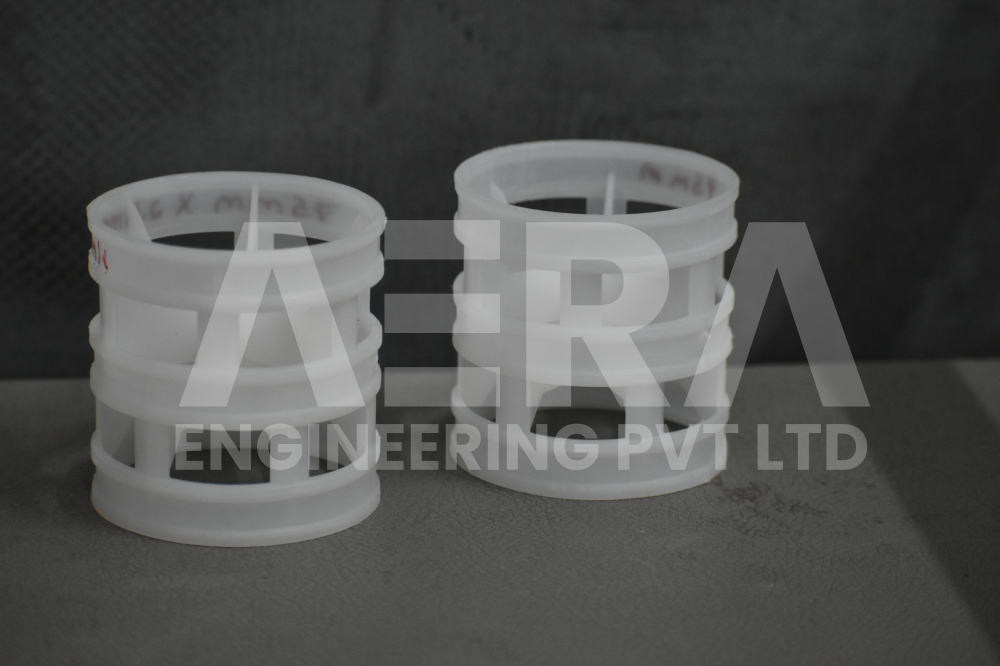
Plastic and metallic Pall rings are used to enhance mass transfer in industrial processes, but their different material properties make them suitable for different applications. Here are the key differences between plastic and metallic Pall rings: ### **Plastic Pall Rings:** 1. **Material Composition:** Made from various plastics such as polypropylene (PP), polyethylene (PE), polyvinyl chloride (PVC), and polyvinylidene fluoride (PVDF). 2. **Weight:** Lightweight, which reduces the structural load on equipment and makes handling and installation easier. 3. **Chemical Resistance:** Excellent resistance to a wide range of chemicals, particularly acids and bases, making them ideal for corrosive environments. 4. **Cost:** Generally less expensive than metallic rings, offering a cost-effective solution for many applications. 5. **Temperature Resistance:** Lower temperature resistance compared to metallic rings; typically used in processes with temperatures up to 150°C (depending on the plastic type). 6. **Applications:** Commonly used in wastewater treatment, gas scrubbing, and other applications where chemical resistance and lightweight properties are advantageous. 7. **Durability:** Less durable than metallic rings; can degrade over time when exposed to UV light or high temperatures. ### **Metallic Pall Rings:** 1. **Material Composition:** Made from metals such as stainless steel, carbon steel, or other alloys. 2. **Weight:** Heavier than plastic rings, providing higher mechanical strength and stability in packed columns. 3. **Chemical Resistance:** Excellent resistance to various corrosive environments when made from appropriate alloys, such as stainless steel for acidic conditions. 4. **Cost:** Generally more expensive than plastic rings due to material and manufacturing costs. 5. **Temperature Resistance:** High temperature resistance, suitable for processes up to 500°C or higher, depending on the metal type. 6. **Applications:** Preferred in petrochemical, chemical processing, and gas absorption applications where high mechanical strength, thermal conductivity, and resistance to high temperatures are critical. 7. **Durability:** Highly durable and resistant to mechanical stress, making them suitable for high-pressure operations. ### **Summary:** - **Plastic Pall Rings** are ideal for applications requiring lightweight materials with excellent chemical resistance and lower temperature conditions, such as wastewater treatment and gas scrubbing. - **Metallic Pall Rings** are chosen for their high mechanical strength, durability, and ability to withstand high temperatures and pressures, making them suitable for more demanding industrial processes like petrochemical and chemical processing. The choice between plastic and metallic Pall rings depends on the specific requirements of the application, including chemical compatibility, temperature and pressure conditions, cost considerations, and mechanical strength needs.


This is your website preview.
Currently it only shows your basic business info. Start adding relevant business details such as description, images and products or services to gain your customers attention by using Boost 360 android app / iOS App / web portal.
Plastic and metallic Pall rings are used to enhanc...
2024-06-14T04:25:14
Plastic and metallic Pall rings are used to enhance mass transfer in industrial processes, but their different material properties make them suitable for different applications. Here are the key differences between plastic and metallic Pall rings: ### **Plastic Pall Rings:** 1. **Material Composition:** Made from various plastics such as polypropylene (PP), polyethylene (PE), polyvinyl chloride (PVC), and polyvinylidene fluoride (PVDF). 2. **Weight:** Lightweight, which reduces the structural load on equipment and makes handling and installation easier. 3. **Chemical Resistance:** Excellent resistance to a wide range of chemicals, particularly acids and bases, making them ideal for corrosive environments. 4. **Cost:** Generally less expensive than metallic rings, offering a cost-effective solution for many applications. 5. **Temperature Resistance:** Lower temperature resistance compared to metallic rings; typically used in processes with temperatures up to 150°C (depending on the plastic type). 6. **Applications:** Commonly used in wastewater treatment, gas scrubbing, and other applications where chemical resistance and lightweight properties are advantageous. 7. **Durability:** Less durable than metallic rings; can degrade over time when exposed to UV light or high temperatures. ### **Metallic Pall Rings:** 1. **Material Composition:** Made from metals such as stainless steel, carbon steel, or other alloys. 2. **Weight:** Heavier than plastic rings, providing higher mechanical strength and stability in packed columns. 3. **Chemical Resistance:** Excellent resistance to various corrosive environments when made from appropriate alloys, such as stainless steel for acidic conditions. 4. **Cost:** Generally more expensive than plastic rings due to material and manufacturing costs. 5. **Temperature Resistance:** High temperature resistance, suitable for processes up to 500°C or higher, depending on the metal type. 6. **Applications:** Preferred in petrochemical, chemical processing, and gas absorption applications where high mechanical strength, thermal conductivity, and resistance to high temperatures are critical. 7. **Durability:** Highly durable and resistant to mechanical stress, making them suitable for high-pressure operations. ### **Summary:** - **Plastic Pall Rings** are ideal for applications requiring lightweight materials with excellent chemical resistance and lower temperature conditions, such as wastewater treatment and gas scrubbing. - **Metallic Pall Rings** are chosen for their high mechanical strength, durability, and ability to withstand high temperatures and pressures, making them suitable for more demanding industrial processes like petrochemical and chemical processing. The choice between plastic and metallic Pall rings depends on the specific requirements of the application, including chemical compatibility, temperature and pressure conditions, cost considerations, and mechanical strength needs.
2024-06-14T04:25:14


Keywords
- PVC
- 500°
- time
- PVDF
- acids
- bases
- 150°C
- choice
- metals
- Summary
- handling
- UV light
- chemicals
- stability
- equipment
- pressures
- durability
- wide range
- metal type
- other alloys
- plastic type
- polyethylene
- carbon steel
- installation
- gas scrubbing
- polypropylene
- mass transfer
- plastic rings
- petrochemical
- metallic rings
- packed columns
- stainless steel
- key differences
- structural load
- various plastics
- mechanical stress
- high temperatures
- many applications
- acidic conditions
- appropriate alloys
- other applications
- Plastic Pall Rings
- polyvinyl chloride
- metallic Pall rings
- manufacturing costs
- cost considerations
- chemical processing
- pressure conditions
- wastewater treatment
- thermal conductivity
- Excellent resistance
- Material Composition
- specific requirements
- lightweight materials
- different applications
- chemical compatibility
- lightweight properties
- polyvinylidene fluoride
- cost-effective solution
- high-pressure operations
- high mechanical strength
- mechanical strength needs
- higher mechanical strength
- High temperature resistance
- gas absorption applications
- Lower temperature resistance
- lower temperature conditions
- excellent chemical resistance
- different material properties
- demanding industrial processes
- various corrosive environments
Submit Your Enquiry