
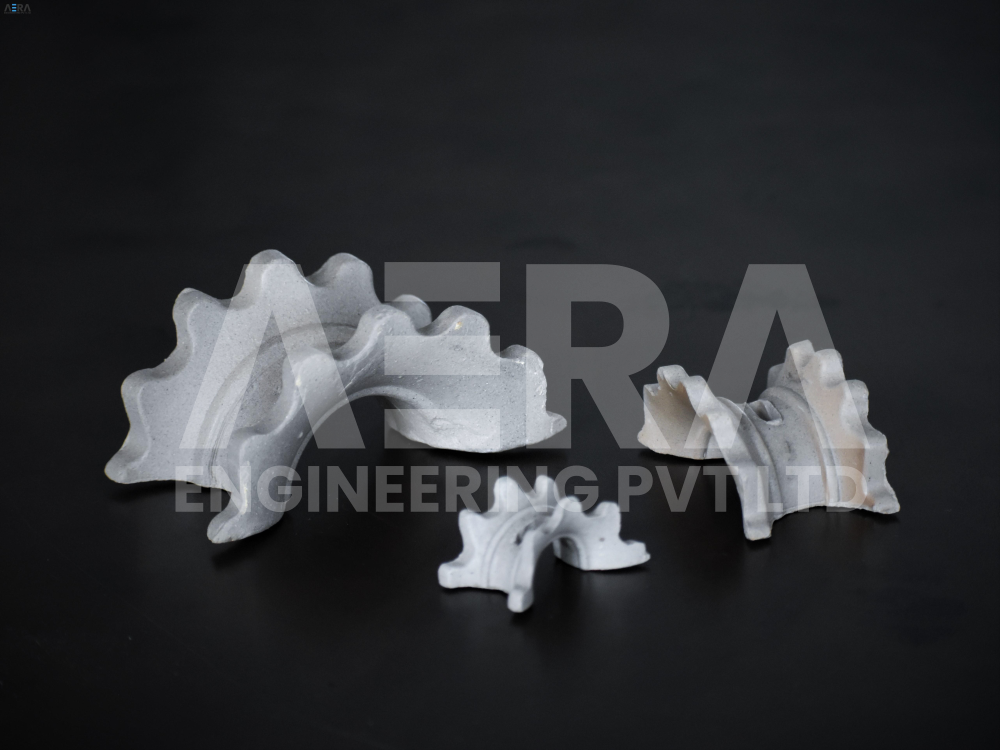
Random tower packing materials come in a variety of options, each tailored for specific applications based on their chemical resistance, mechanical strength, and cost. The most common materials used include: 1. **Ceramic**: Known for its excellent chemical resistance and thermal stability, ceramic packing is ideal for high-temperature and corrosive applications. It is commonly used in industries dealing with acids, alkalis, and other aggressive chemicals. Ceramic materials are also favored for their robustness and long service life in harsh environments. 2. **Metal**: Metal packings, such as those made from stainless steel, carbon steel, and various alloys, offer high mechanical strength and excellent heat resistance. They are suitable for applications requiring high pressure and temperature resistance, such as petrochemical processing and refining. Metal packing materials provide good corrosion resistance and durability, making them a reliable choice for demanding industrial processes. 3. **Plastic**: Lightweight and cost-effective, plastic packings are widely used in applications where chemical resistance is crucial, but high temperatures are not a concern. Common materials include polypropylene, polyethylene, and PVC. Plastic packings are ideal for handling corrosive liquids and gases at moderate temperatures and are frequently used in environmental and wastewater treatment, as well as in the chemical and food processing industries. 4. **Carbon**: Carbon and graphite packings are known for their high thermal conductivity and resistance to chemical attack. These materials are suitable for applications involving extreme temperatures and corrosive environments, such as those found in chemical processing and electronics manufacturing. Carbon packings are also used in situations where metal contamination must be avoided. 5. **Glass**: Glass packing materials provide excellent chemical resistance and are inert to most substances, making them suitable for use in highly corrosive environments. They are often employed in laboratory settings, as well as in industries like pharmaceuticals and food processing where purity and non-reactivity are critical. Each material offers unique advantages and is selected based on the specific requirements of the application, such as the nature of the chemicals involved, operating temperatures, and mechanical stresses. By choosing the appropriate material, industries can ensure optimal performance, longevity, and cost-effectiveness of their random tower packing systems.


This is your website preview.
Currently it only shows your basic business info. Start adding relevant business details such as description, images and products or services to gain your customers attention by using Boost 360 android app / iOS App / web portal.
Random tower packing materials come in a variety o...
2024-06-17T06:12:20
Random tower packing materials come in a variety of options, each tailored for specific applications based on their chemical resistance, mechanical strength, and cost. The most common materials used include: 1. **Ceramic**: Known for its excellent chemical resistance and thermal stability, ceramic packing is ideal for high-temperature and corrosive applications. It is commonly used in industries dealing with acids, alkalis, and other aggressive chemicals. Ceramic materials are also favored for their robustness and long service life in harsh environments. 2. **Metal**: Metal packings, such as those made from stainless steel, carbon steel, and various alloys, offer high mechanical strength and excellent heat resistance. They are suitable for applications requiring high pressure and temperature resistance, such as petrochemical processing and refining. Metal packing materials provide good corrosion resistance and durability, making them a reliable choice for demanding industrial processes. 3. **Plastic**: Lightweight and cost-effective, plastic packings are widely used in applications where chemical resistance is crucial, but high temperatures are not a concern. Common materials include polypropylene, polyethylene, and PVC. Plastic packings are ideal for handling corrosive liquids and gases at moderate temperatures and are frequently used in environmental and wastewater treatment, as well as in the chemical and food processing industries. 4. **Carbon**: Carbon and graphite packings are known for their high thermal conductivity and resistance to chemical attack. These materials are suitable for applications involving extreme temperatures and corrosive environments, such as those found in chemical processing and electronics manufacturing. Carbon packings are also used in situations where metal contamination must be avoided. 5. **Glass**: Glass packing materials provide excellent chemical resistance and are inert to most substances, making them suitable for use in highly corrosive environments. They are often employed in laboratory settings, as well as in industries like pharmaceuticals and food processing where purity and non-reactivity are critical. Each material offers unique advantages and is selected based on the specific requirements of the application, such as the nature of the chemicals involved, operating temperatures, and mechanical stresses. By choosing the appropriate material, industries can ensure optimal performance, longevity, and cost-effectiveness of their random tower packing systems.
2024-06-17T06:12:20


Keywords
- use
- PVC
- acids
- gases
- nature
- purity
- alkalis
- variety
- concern
- options
- refining
- longevity
- robustness
- reactivity
- durability
- situations
- Lightweight
- carbon steel
- polyethylene
- polypropylene
- environmental
- high pressure
- Metal packings
- various alloys
- Carbon packings
- chemical attack
- stainless steel
- reliable choice
- most substances
- pharmaceuticals
- ceramic packing
- common materials
- high-temperature
- unique advantages
- Ceramic materials
- long service life
- corrosive liquids
- thermal stability
- high temperatures
- graphite packings
- cost-effectiveness
- harsh environments
- chemical processing
- metal contamination
- mechanical stresses
- optimal performance
- laboratory settings
- appropriate material
- extreme temperatures
- wastewater treatment
- specific applications
- specific requirements
- moderate temperatures
- corrosive environments
- operating temperatures
- corrosive applications
- temperature resistance
- Glass packing materials
- Metal packing materials
- high mechanical strength
- electronics manufacturing
- high thermal conductivity
- good corrosion resistance
- excellent heat resistance
- food processing industries
- other aggressive chemicals
- random tower packing systems
- excellent chemical resistance
- demanding industrial processes
- Random tower packing materials
- cost-effective, plastic packings
Submit Your Enquiry