
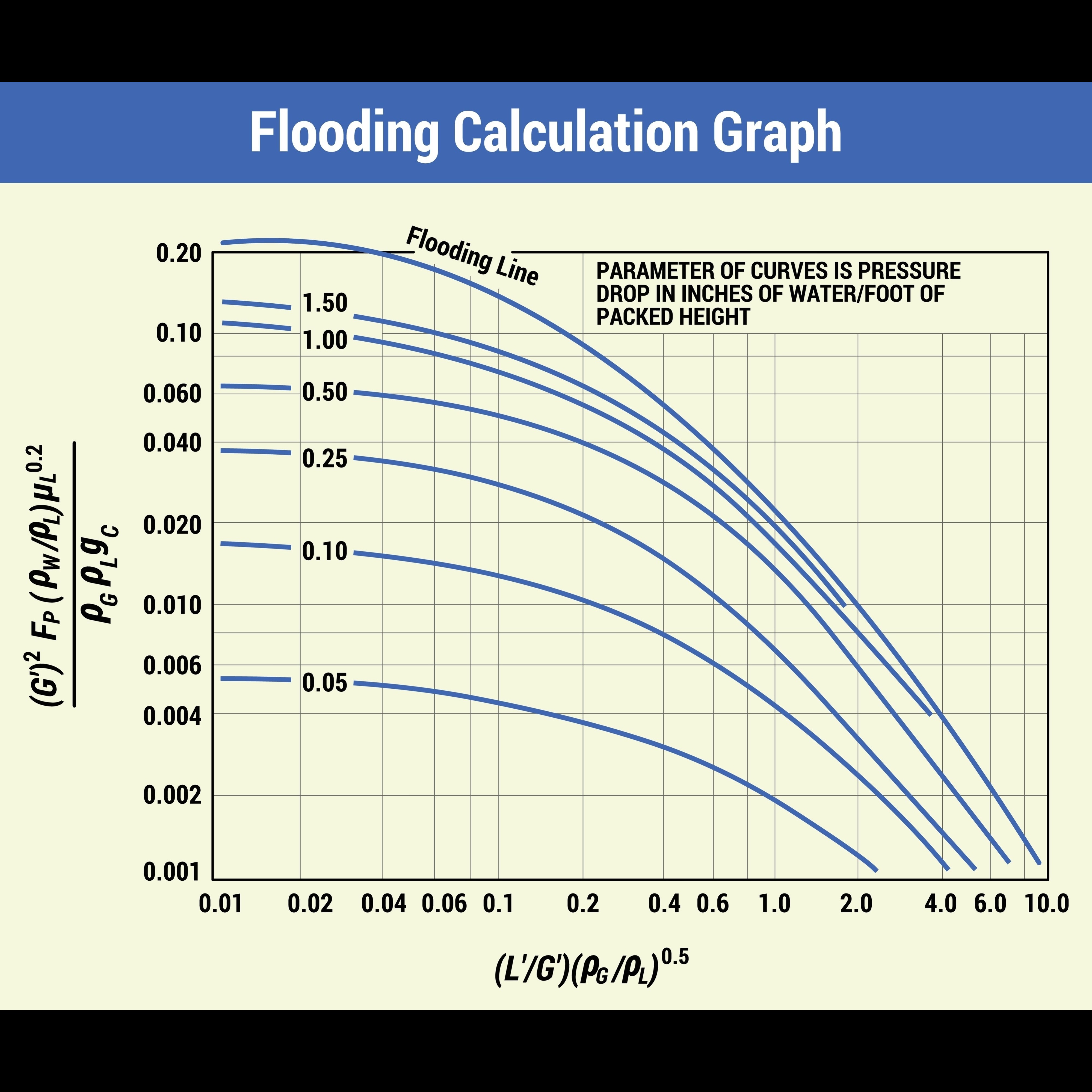
The Essential Checklist: Selecting Random Tower Packing for Optimal Column Design This blog focuses on the technical criteria for high-intent readers (Engineers, Buyers). The Goal: Maximizing Performance The primary function of random packing is to maximize the interfacial surface area between liquid and vapor phases. The correct selection directly minimizes operating costs and maximizes mass transfer efficiency. Critical Selection Factors Pressure Drop ($Delta P$): Lower values reduce energy demand (pumps, blowers). High-performance shapes (e.g., Pall Rings, Super Saddles) are preferred. Mass Transfer Efficiency (HETP): A lower Height Equivalent to a Theoretical Plate means a shorter, less expensive column is needed .Fouling Resistance: Choose packing with high void space and open geometry for processes involving solids or viscous fluids. Packing Factor: This value is critical for determining the column's operating capacity and resistance to flooding. Material Considerations Metal Packing (e.g., Stainless Steel): Best for high-temperature and high-strength applications. Offers superior wetting characteristics. Plastic Packing (e.g., PP, PVC): Ideal for highly corrosive environments at moderate temperatures. Offers the lowest weight and cost. Ceramic Packing: Used in environments with extremely high temperatures and high acid concentrations (e.g., sulfuric acid plants). Key Takeaway Never select packing based on price alone; the operational savings from improved efficiency far outweigh the initial material cost.


This is your website preview.
Currently it only shows your basic business info. Start adding relevant business details such as description, images and products or services to gain your customers attention by using Boost 360 android app / iOS App / web portal.
The Ultimate Engineer's Guide: Choosing the Right Random Packing for Optimal Column Performance
2025-12-04T05:09:11
The Essential Checklist: Selecting Random Tower Packing for Optimal Column Design This blog focuses on the technical criteria for high-intent readers (Engineers, Buyers). The Goal: Maximizing Performance The primary function of random packing is to maximize the interfacial surface area between liquid and vapor phases. The correct selection directly minimizes operating costs and maximizes mass transfer efficiency. Critical Selection Factors Pressure Drop ($Delta P$): Lower values reduce energy demand (pumps, blowers). High-performance shapes (e.g., Pall Rings, Super Saddles) are preferred. Mass Transfer Efficiency (HETP): A lower Height Equivalent to a Theoretical Plate means a shorter, less expensive column is needed .Fouling Resistance: Choose packing with high void space and open geometry for processes involving solids or viscous fluids. Packing Factor: This value is critical for determining the column's operating capacity and resistance to flooding. Material Considerations Metal Packing (e.g., Stainless Steel): Best for high-temperature and high-strength applications. Offers superior wetting characteristics. Plastic Packing (e.g., PP, PVC): Ideal for highly corrosive environments at moderate temperatures. Offers the lowest weight and cost. Ceramic Packing: Used in environments with extremely high temperatures and high acid concentrations (e.g., sulfuric acid plants). Key Takeaway Never select packing based on price alone; the operational savings from improved efficiency far outweigh the initial material cost.
2025-12-04T05:09:11


Submit Your Enquiry