
Understanding the Basics of Mass Transfer: A Beginner’s Guide Mass transfer is a fundamental concept in chemical engineering and industrial processes, playing a vital role in industries ranging from oil and gas to pharmaceuticals and environmental engineering. For those new to the subject, this guide will introduce the basics of mass transfer, its mechanisms, and its applications. What is Mass Transfer? Mass transfer refers to the movement of mass from one location to another, often between different phases (e.g., gas to liquid, liquid to solid) or within the same phase. This process is driven by differences in concentration, pressure, or temperature and is essential for separating, purifying, or reacting substances in industrial processes. Key Mechanisms of Mass Transfer 1. Diffusion Diffusion is the movement of molecules from an area of higher concentration to an area of lower concentration, driven by concentration gradients. - Example: Perfume spreading in a room. 2. Convection Convection involves the movement of mass through a fluid due to bulk motion caused by differences in temperature or pressure. - Example: Boiling water where hotter water rises and cooler water sinks. 3. Advection Advection refers to the transport of mass within a fluid flow. - Example: Smoke carried by wind. Why is Mass Transfer Important? Mass transfer underpins numerous industrial processes, including: - Distillation: Separating components based on boiling points. - Absorption: Removing a component from a gas stream using a liquid. - Extraction: Isolating a substance from a mixture using a solvent. - Drying: Removing moisture from materials. Each of these applications is critical for producing high-quality products and optimizing industrial operations. Mass Transfer Equipment To facilitate efficient mass transfer, industries rely on specialized equipment such as: 1. Distillation Columns - Used for separating mixtures based on boiling points. - Include trays or packing to increase surface area for vapor-liquid contact. 2. Random Tower Packing - Structured or random packing materials, like those manufactured by Aera Engineering, are used in mass transfer operations to enhance surface contact between phases, improving efficiency and reducing energy consumption. 3. Absorbers and Scrubbers - Used in gas-liquid mass transfer processes, such as removing pollutants from gas streams. 4. Heat Exchangers - Though primarily for heat transfer, they also contribute to processes involving simultaneous mass transfer. Factors Influencing Mass Transfer Several factors affect the efficiency of mass transfer, including: - Surface Area: Larger contact area promotes more interaction between phases. - Concentration Gradient: Higher gradients drive faster transfer rates. - Temperature: Higher temperatures can increase diffusion rates. - Pressure: Affects gas solubility and transfer rates in gas-liquid systems. Applications of Mass Transfer Mass transfer processes are pivotal in industries such as: - Chemical and Petrochemical: Refining crude oil, producing chemicals. - Pharmaceuticals: Purification of active ingredients. - Environmental Engineering: Treating wastewater, air pollution control. - Food and Beverage: Producing beverages, drying food products. How Aera Engineering Supports Mass Transfer Processes At Aera Engineering, we specialize in manufacturing metallic random tower packing that enhances mass transfer efficiency. Our products, such as Aera Saddles, are designed to provide superior surface area, reduce pressure drop, and optimize performance in distillation, absorption, and other industrial processes. By using high-quality materials like SS 304 and SS 316, we ensure durability and resistance to harsh environments, making our products ideal for demanding applications. Conclusion Mass transfer is a cornerstone of industrial operations, enabling the separation, purification, and transformation of substances essential for modern life. Whether you're refining oil, producing pharmaceuticals, or treating wastewater, understanding the basics of mass transfer is key to optimizing these processes. At Aera Engineering, we’re committed to supporting industries with innovative, high-quality solutions that make mass transfer processes more efficient and sustainable. Contact us today to learn how our products can enhance your operations.


This is your website preview.
Currently it only shows your basic business info. Start adding relevant business details such as description, images and products or services to gain your customers attention by using Boost 360 android app / iOS App / web portal.
Understanding the Basics of Mass Transfer: A Begin...
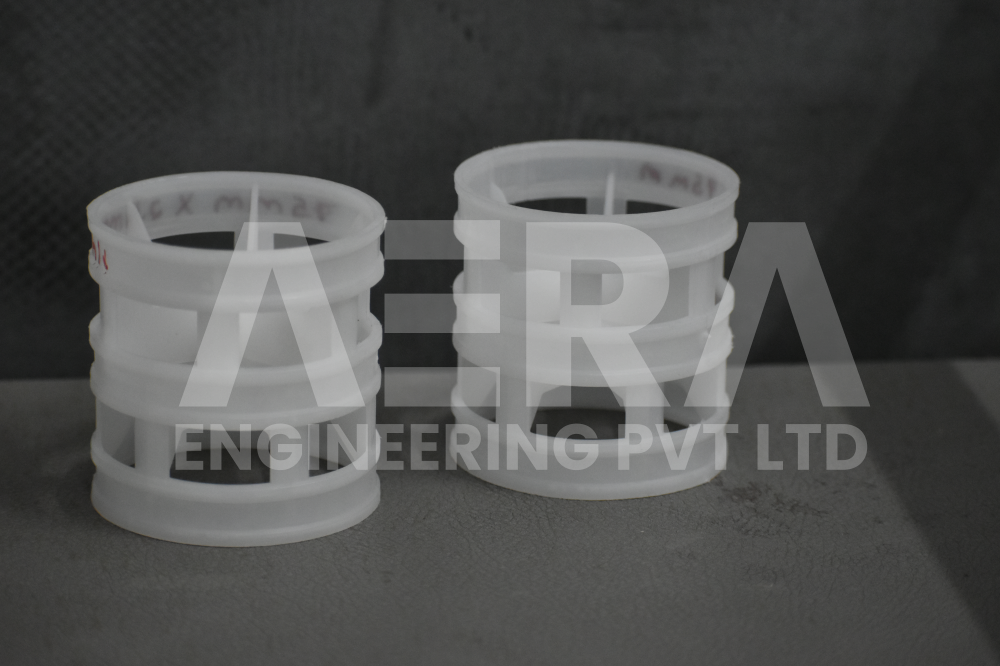
2024-11-26T04:27:39
Understanding the Basics of Mass Transfer: A Beginner’s Guide Mass transfer is a fundamental concept in chemical engineering and industrial processes, playing a vital role in industries ranging from oil and gas to pharmaceuticals and environmental engineering. For those new to the subject, this guide will introduce the basics of mass transfer, its mechanisms, and its applications. What is Mass Transfer? Mass transfer refers to the movement of mass from one location to another, often between different phases (e.g., gas to liquid, liquid to solid) or within the same phase. This process is driven by differences in concentration, pressure, or temperature and is essential for separating, purifying, or reacting substances in industrial processes. Key Mechanisms of Mass Transfer 1. Diffusion Diffusion is the movement of molecules from an area of higher concentration to an area of lower concentration, driven by concentration gradients. - Example: Perfume spreading in a room. 2. Convection Convection involves the movement of mass through a fluid due to bulk motion caused by differences in temperature or pressure. - Example: Boiling water where hotter water rises and cooler water sinks. 3. Advection Advection refers to the transport of mass within a fluid flow. - Example: Smoke carried by wind. Why is Mass Transfer Important? Mass transfer underpins numerous industrial processes, including: - Distillation: Separating components based on boiling points. - Absorption: Removing a component from a gas stream using a liquid. - Extraction: Isolating a substance from a mixture using a solvent. - Drying: Removing moisture from materials. Each of these applications is critical for producing high-quality products and optimizing industrial operations. Mass Transfer Equipment To facilitate efficient mass transfer, industries rely on specialized equipment such as: 1. Distillation Columns - Used for separating mixtures based on boiling points. - Include trays or packing to increase surface area for vapor-liquid contact. 2. Random Tower Packing - Structured or random packing materials, like those manufactured by Aera Engineering, are used in mass transfer operations to enhance surface contact between phases, improving efficiency and reducing energy consumption. 3. Absorbers and Scrubbers - Used in gas-liquid mass transfer processes, such as removing pollutants from gas streams. 4. Heat Exchangers - Though primarily for heat transfer, they also contribute to processes involving simultaneous mass transfer. Factors Influencing Mass Transfer Several factors affect the efficiency of mass transfer, including: - Surface Area: Larger contact area promotes more interaction between phases. - Concentration Gradient: Higher gradients drive faster transfer rates. - Temperature: Higher temperatures can increase diffusion rates. - Pressure: Affects gas solubility and transfer rates in gas-liquid systems. Applications of Mass Transfer Mass transfer processes are pivotal in industries such as: - Chemical and Petrochemical: Refining crude oil, producing chemicals. - Pharmaceuticals: Purification of active ingredients. - Environmental Engineering: Treating wastewater, air pollution control. - Food and Beverage: Producing beverages, drying food products. How Aera Engineering Supports Mass Transfer Processes At Aera Engineering, we specialize in manufacturing metallic random tower packing that enhances mass transfer efficiency. Our products, such as Aera Saddles, are designed to provide superior surface area, reduce pressure drop, and optimize performance in distillation, absorption, and other industrial processes. By using high-quality materials like SS 304 and SS 316, we ensure durability and resistance to harsh environments, making our products ideal for demanding applications. Conclusion Mass transfer is a cornerstone of industrial operations, enabling the separation, purification, and transformation of substances essential for modern life. Whether you're refining oil, producing pharmaceuticals, or treating wastewater, understanding the basics of mass transfer is key to optimizing these processes. At Aera Engineering, we’re committed to supporting industries with innovative, high-quality solutions that make mass transfer processes more efficient and sustainable. Contact us today to learn how our products can enhance your operations.
2024-11-26T04:27:39


Submit Your Enquiry